Why Are Orchid Leaves Turning Yellow? Analysis of Common Causes
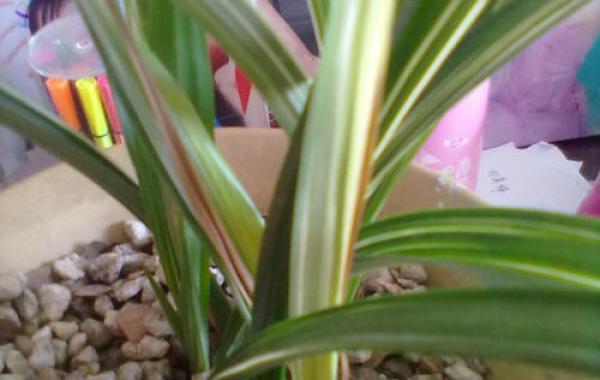
Today I would like to share with you some information about this herbaceous plant. Next, I will introduce it from the aspects of the orchid's symbolism and how to grow it.
If an orchid's leaves are watered improperly or exposed to too much light, the leaves will turn yellow. The specifics are as follows:
Reasons Orchid Leaves Turn Yellow
Improper watering: During cultivation, orchid leaves turning yellow may be caused by improper watering. Orchids have relatively high water requirements. If watered too much, the respiration of the orchid's root system will be affected, causing the leaves to turn yellow.
Root rot: Orchid leaves turning yellow may also be due to root rot. So if you encounter yellowing orchid leaves, you can take the plant out of its pot and check whether the roots have rotted. If they have rotted, trim the roots and remove the rotted parts. If the situation is serious, you can treat them with some chemicals.
Lack of light: Orchids like to grow in semi-shaded environments, but orchid growth cannot go without light for long periods either. If an orchid lacks light, the formation of chlorophyll is affected, which will cause the leaves to turn yellow.
What to Do When Orchid Leaves Turn Yellow
The best method for yellow orchid leaves is to change the soil. After replacing the old soil, choose loose, breathable humus soil or sandy soil to grow the orchid. During the soil change, you can also check whether the orchid's root system is healthy. If there are diseased roots or rot, trim them promptly.
Yellow orchid leaves may also be due to watering problems. If not watered for a long time, the orchid's leaves will turn yellow. At this point, water promptly, but be careful not to let water accumulate; it is enough for the potting soil to be moist. If there is too much water, drainage treatment is needed. Summer temperatures are high, so spray clean water on the leaves regularly to increase the humidity of the orchid's growing environment.
Orchids symbolize beauty and noble purity, and carry meanings such as patriotism and unwavering loyalty. You should know that the orchid is the gentleman among flowers, and its qualities are very noble. Poets often praise it, and the orchid is also a mascot of love.
Orchids like well-drained, loose soil, and preferably slightly acidic soil. Orchids do not like strong light very much; they are suited to growing in humid environments, but need scattered sunlight. If exposed to strong light, the orchid's leaves will turn yellow or even wither, ultimately leading to death.
If it is the hot summer, we need to give it shade. In early to mid-April, let the orchid receive more scattered sunlight. When May comes, apart from avoiding sun exposure at noon, it can be sunned the rest of the time. By October, we can open all the windows for care.
Orchids are also water-loving plants, but they should not be watered too much, as this easily causes water accumulation. Control the amount each time you water, and do not water frequently. If you use tap water or rice-washing water to water the flowers, you must let it sit overnight. Using rainwater and spring water to water orchids is best.
In spring, summer and autumn, we had best place the orchid outdoors for cultivation, and choose a spot with good ventilation and a humid environment.
The above is my summary of the orchid's symbolism. In fact, orchids also symbolize brotherhood and noble friendship, and nowadays many people grow orchids because they have high ornamental value.