What medicine works fast for diarrhea in a pig over 100 jin? Plus prevention methods in advance
What medicine works fast for diarrhea in a pig over 100 jin, and can it be prevented in advance?
What medicine works fast for diarrhea in a pig over 100 jin
1. Externally contracted dysentery, caused by a sudden drop in temperature or invasion by cold wind, the affected pig is listless, has abdominal gas bloating, the manure has a sour odor, and the four limbs and both ears are cold;
2. Spleen deficiency type dysentery, due to cold weather the affected pig does not like to eat, is lazy and prefers lying down, and the manure is like slurry with only a mild odor;
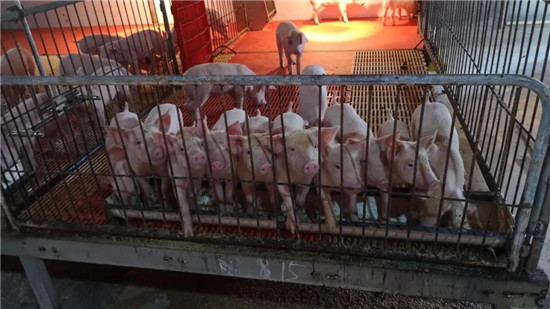
3. Dysentery caused by overeating, caused by eating too much green feed, the affected pig has slight abdominal swelling and dull pain, the manure is thin, soft and sour-smelling, yellow in color and sticky, and contains undigested food;
4. Cold-dampness type dysentery, caused by cold weather and excessively damp pens, the affected pig has reduced appetite or does not eat, the manure is thin as water with no special odor, and it sometimes coughs, often spraying thin manure from the anus when coughing;
5. Damp-heat type dysentery, caused by continuous autumn rain, damp ground air, and moldy and spoiled feed, the affected pig has a high body temperature, both ears and nose are hot, the breath has a foul odor, the manure is thin, and the odor is strong.
Pig diarrheaprevention and controlplan
1. Strengthen feeding management and provide a suitable growing environment, including temperature, humidity, and ventilation, to prevent disease caused by sudden weather changes, control appropriate stocking density, disinfect the pens regularly, and achieve "dry pens, clean troughs, well-raised pigs."
2. Do routine vaccine immunization well, establish a scientific immunization program suitable for the pig farm, pay attention to vaccine storage conditions and correct use methods, and at least use one needle per pen of pigs.
3. Sows should receive livestock inflammation health care and vaccine immunization before and after farrowing to prevent the occurrence of diarrhea in piglets after birth.