What are the care characteristics of white magnolia? Read this article and you will understand
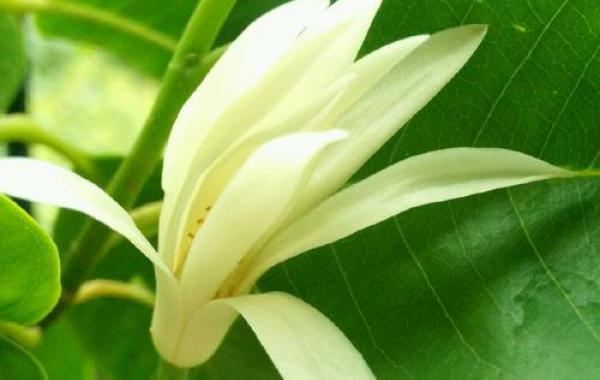
What are the care characteristics of white magnolia.
White magnolia has a pleasant fragrance and is noble and elegant. Many people like to choose it for planting. Below is an introduction to the points to note during care:
White magnolia likes sunlight and is not tolerant of shade; it requires sufficient light. If it is grown in a shaded place with insufficient light, it will cause excessive growth of branches and leaves, with long branches and thin leaves, sparse flowers, weak fragrance, or no flowering. When cultivated in northern regions, if it is exposed to strong sunlight in hot summer, plant growth will also be inhibited, and the edges of young leaves are prone to curling and yellowing. White magnolia is sensitive to water; it likes high air humidity and soil that is moist but not wet. When there is too much soil moisture and poor permeability, root rot and yellow leaves will occur, and in severe cases it can lead to leaf drop and death. It is suitable for acidic sandy loam rich in humus and with good drainage and aeration. If it is planted in alkaline soil or soil with poor drainage, growth will stop and it may even die. For potted white magnolia in the north, a culture soil made by mixing equal amounts of leaf mold or peat soil and sandy loam can be used, with a small amount of bone meal added as base fertilizer. Starting in early May, apply 1 diluted cake fertilizer water or alum fertilizer water every 7-10 days (preferably alternating the two). Before flowering, apply 1-2 additional applications of quick-acting phosphorus fertilizer, which can keep white magnolia blooming with continuous fragrance. Stop fertilizing after the end of September.
The amount of watering depends on the plant's growth condition and the weather. Generally, watering in spring should not be too much, just enough to keep the potting soil slightly moist; in summer, the temperature is high, evaporation is fast, and it is also the peak flowering period, so watering needs to be sufficient; in autumn, watering should be slightly more than in spring, because at this time the pot is full of roots, there is little potting soil, and water-holding capacity is low, but the amount of water per watering should not be too much, and it is best to fill the pot. During the growth period, prevent water shortage, otherwise it is easy to cause dry leaf edges. In late autumn, as the weather gradually turns cool, the frequency of watering should gradually decrease. During the rainy season, accumulated water in the pot must be drained promptly, otherwise root rot and yellow leaves are likely. After each fertilization and watering, loosen the soil promptly to keep the potting soil well aerated. When growing outdoors, it is best to prop up the flowerpot with bricks to facilitate drainage. After summer begins, the temperature is high and water evaporation is large, so watering should be timely to keep the potting soil moist. Its roots are thick and nearly fleshy, and it fears waterlogging most. When potting or repotting, use crushed stone and tile pieces to make a drainage layer at the bottom of the pot. Usually, do not place the potted flower directly on the muddy ground; a layer of bricks should be placed underneath to raise it and facilitate drainage. During the plum rain season and continuous rainy days, tilt the flowerpot on its side so that excess rainwater can be drained promptly. If the soil stays wet and does not dry for a long time, it will rot the roots, causing leaves to turn yellow and fall off, branch tips to turn brown, and in severe cases it is difficult to save.
After autumn, the weather gradually turns cool, water evaporation decreases, and watering should also be reduced. After moving indoors in winter, keep the potting soil dry rather than moist; generally water once every 7-10 days, no need to water thoroughly, just keep the potting soil feeling moist. In northern regions, it is generally moved indoors in early to mid-October. Before moving indoors, cut off diseased and dead branches, excessive growth branches, and overly dense branches. After moving indoors, place it in a sunny spot, and the winter room temperature should be kept above 12°C. During the overwintering period, stop fertilizing and control watering, just keep the potting soil slightly moist. If watered too much at this time and the potting soil is wet, roots are prone to rot, stems and leaves wither, and it may even die. In winter, spray and wash the branches and leaves frequently to keep the leaf surface clean and moist. Repot before taking it outdoors in late April or early May of the following year. When repotting, do not trim the roots; keep the original fibrous roots. However, appropriately remove some old leaves from the lower part of the branches, which helps promote new branch growth and more flowering.
White magnolia especially likes fertilizer. Only with sufficient fertilizer can it have many flowers and a strong fragrance. In addition to applying enough base fertilizer, starting in mid-April, apply decomposed cake fertilizer water or human excrement and urine 3-4 times a month. Once it enters the flowering period, the fertilizer concentration can be appropriately increased, and 2-3 times a month supplement with a complete-element compound fertilizer mainly based on phosphorus, and phosphorus fertilizer can also be sprinkled directly on the surface of the potting soil. According to the size of the pot, use 30-100 grams per pot, and let it seep into the roots with watering.
In areas where the water quality is alkaline, combine fertilization each month with 0.3% ferrous sulfate or 0.3% potassium dihydrogen phosphate, which can keep the leaves emerald green. In September, gradually stop fertilizing to prevent the plant from growing too vigorously, which is unfavorable for overwintering.