Can Clivia be repotted in autumn or not?
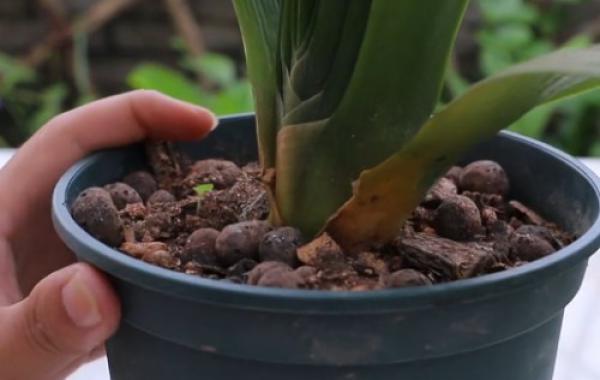
Clivia is a fairly common potted plant in many homes. Because of its broad, oily-green leaves and its large, showy flowers, it is quite ornamental, and its flowering period is relatively long. So many plant lovers like to grow it as a flowering houseplant, and it is very pleasing to the eye.
But when we grow flowers, we all hope they will bloom for a long time, and ideally bloom in all four seasons. Many plant lovers only know that Clivia mostly blooms in spring and summer. In fact, as long as care and management are done well, it can also bloom all year round. Autumn has now arrived, and we need to adjust our care methods in time to ensure it can also bloom in winter. So,.
For Clivia after the Start of Autumn, whether the autumn care and management work is done well will directly affect whether it can bloom smoothly in winter. But when it comes to repotting, right after the Start of Autumn is not a suitable time to repot it immediately, otherwise going beyond the proper limit will backfire and the care results will be counterproductive.
There are also sufficient reasons not to repot Clivia right after the Start of Autumn, because at this time the temperature is still relatively high, and Clivia has not yet fully awakened from its dormant state during the midsummer high-temperature period. Therefore, at this time the growth activity of the Clivia plant is not high, and the adverse consequences of repotting too early are also obvious. The direct consequence is that it is not easy to quickly adapt to the new pot, so generally you need to wait a period of time after the Start of Autumn before repotting it.
When repotting Clivia, it is mainly decided according to changes in temperature. When the ambient temperature is basically maintained at around 25°C, repotting it will allow the plant to recover and adapt to the new pot more quickly. Therefore, under this temperature condition, the plant has not only fully awakened, but also entered a period of vigorous growth.
In this situation, Clivia grows most actively, and if it is repotted at this time, its roots can breathe better. Moreover, after repotting, you should gradually provide it with light so it can carry out photosynthesis better, thereby accelerating its growth. At the same time, after Clivia has adapted to the new pot, water and fertilizer management also need to be adjusted appropriately.
For watering, it should be decided according to whether the potting soil is dry or wet; for fertilizing, it is best to mainly use slow-release fertilizer. Because timely topdressing can not only replenish nutrients for the plant in time, but also gradually raise the temperature inside the pot, ensuring it can overwinter better and bloom in winter.