Clivia Root Rot: Prevention and Treatment Methods and Root Pruning Techniques
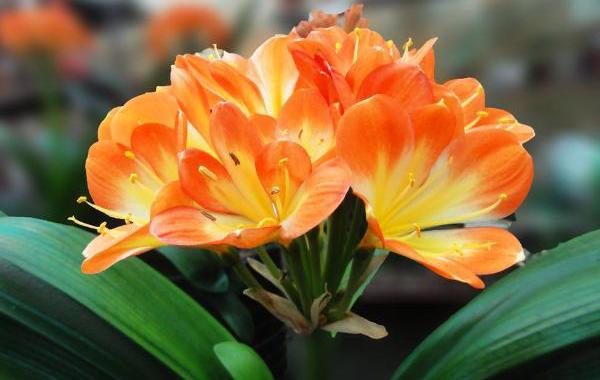
The clivia plant contains a very special alkaloid in its body, and this alkaloid can be made into various medicines. Researchers studying medicines often use plants containing these chemical components for research, and achievements such as treatments for cancer have already appeared on the market. In addition to this, clivia itself also has very high ornamental value, so people have begun to grow it one after another. However, clivia is prone to root rot. Let's take a look below at the correct way to handle it.
Prevention and treatment methods for clivia root rot
1. The way to rescue rotten roots is to take the plant out of the pot, remove and cut off the rotten roots, then coat the wounds with charcoal powder or fine stove ash. You can also rinse the roots with potassium permanganate water and then place them in the sun for about ten minutes, using ultraviolet light to sterilize. If more than half of the roots have rotted, trim and clean up the rotten roots, and after sterilizing and disinfecting, place them in fine sand to encourage rooting. If only a few roots have rotted, they can be transplanted into replaced and treated nutrient soil, with watering controlled for half a month, and they can recover after one or two months.
2. If the fleshy roots have all rotted, cut off all the rotten roots, wash the root crown clean, coat it with charcoal powder or fine stove ash, then place it in a pot of fine sand to encourage rooting. After two or three months, it can also grow new roots and leaves again.
3. In addition, using decomposed leaf soil as the growing medium to rescue clivia with rotten roots also works well. The specific method is to wash the fleshy roots twice with clean water, then pinch off the rotten roots, coat the wounds with cigarette ash, dry them in the shade for two hours, then plant them in a pot of coniferous humus soil, place them in half shade, water at the right time, and keep the potting soil moist. After half a month, new roots will grow.
4. Adjust the amount of fertilizer and water appropriately. Clivia should not be fertilized too much, otherwise heat will be produced and burn the root system, causing rot. Watering should also be appropriate; too much will make the nutrient soil contain too much water, give it poor permeability, make it difficult for the roots to breathe, and cause root rot. Be careful not to water into the heart of the clivia.
How to prune clivia roots
1. Clear away the soil
When pruning its roots, you need to dig it out, and you should first stop watering for about seven days. When digging it out, you can gently tap the outside of the pot so that the soil separates from the pot more easily, making it convenient to take it out together with the soil. Clean off most of the soil on the roots, then wash off the soil that cannot be cleaned off with water until it becomes clean.
2. Prune rotten roots
Because its roots are fleshy, although they look thick and strong, they are very soft and break easily. It often grows some rotten roots, and if they are not cleaned up in time, they can even affect its life. When pruning its roots, first clean up the rotten roots. If the entire root has rotted, it needs to be cut off completely. If only part has rotted, you can cut it off with a sterilized knife.
3. Prune hollow roots
If a plant has lived for a very long time, after growing for many years, its roots easily become hollow, with only an outer skin left. Some old roots are darker in color but very thin and weak, and cannot bring nutrients to the leaves well. Instead, they consume nutrients and turn into rotten roots, so hollow roots should also be removed entirely.
4. Root pruning techniques
No matter what kind of root it is, if it can be cleaned up directly by hand, then do not use tools, because its roots are very delicate, and tools easily cause large wounds. Using your hands can make the wounds relatively smaller and cause less damage to it. If the wound area is too large, it is very easy for it to become infected with pathogens.
How to care for clivia after repotting
1. Watering: After repotting, you need to water thoroughly, and water thoroughly every day for three consecutive days. This is to prevent stale air from damaging the roots. After three days, normal management can be resumed. Because of its fleshy roots, it absolutely must not be waterlogged. You can observe the condition of the soil and water when the soil is dry or half dry.
2. Light: Just after repotting, the plant needs to be placed in a shaded area. This is done to reduce water evaporation and let it slowly recover its strength, which is what is called "adjusting to the pot." After about ten days, you can gradually increase the light to promote healthy growth of the plant.
3. Temperature: This needs to be kept within a suitable range at all times. However, daytime and nighttime are different. During the day, it is best to keep it at 15 to 20 degrees; at night, it is best to adjust it to 10 to 15 degrees. Temperature has a great influence on the plant's recovery and entry into a normal growth state, so it needs careful management.
How to make clivia bloom quickly
1. Pruning
Sometimes some of the basic leaves are too large and too old, having absorbed a lot of fertilizer and nutrients from the soil, so flower bud differentiation
2. Temperature
This plant needs a suitable temperature when blooming. If it is too cold, its growth rate will be inhibited, so we must ensure that its environmental temperature is suitable. What we can do is move the flower pot to a relatively warm place, and make sure this place has light and appropriate temperature conditions, so that the plant can carry out biological processes to develop flower buds and bloom. Also pay attention to the ventilation of the environment.
3. Water
This plant needs a large amount of water during the flower bud development period and when blooming, but it also must not be watered too much. Once excessive, the plant's roots will undergo anaerobic fermentation and may even rot and break down.
4. Fertilizer
This plant needs topdressing fertilizer when developing flower buds. You can choose bone meal, or already fermented fish innards and soybean cake water.
It is not scary for a plant being grown to develop a disease; what is scary is that people do not notice it. So there is no need to worry when clivia develops conditions such as root rot. After handling it correctly, you must not continue growing it blindly; be sure to care for it according to its growth habits.