How to prune an Alocasia macrorrhizos with multiple heads correctly
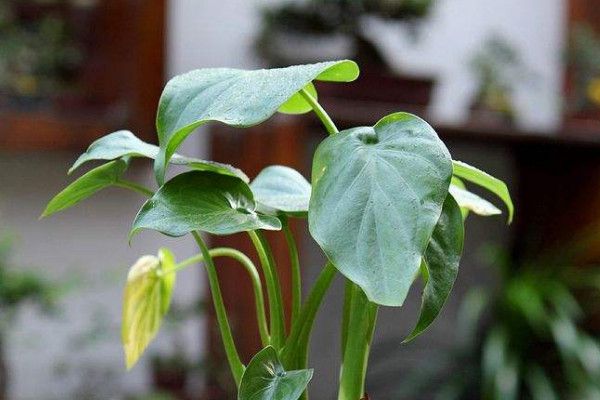
If you want to prune a multi-headed Alocasia macrorrhizos, we need to pay attention to the preparation of tools, the pruning technique, the care work and the precautions. Prepare sharp dedicated tools, gloves, long sleeves and glasses, cut off the topmost bud point of the plant, cut off dead branches and withered leaves, disinfect and keep it ventilated for care, and when pruning just be careful to guard against the toxic sap.
Pruning method for a multi-headed Alocasia macrorrhizos
1. Prepare the tools
Before starting to prune a multi-headed Alocasia macrorrhizos, we first need to prepare suitable tools. We need to prepare sharp dedicated tools, such as scissors or a knife, as well as rubber or plastic gloves, a disinfecting solution, long-sleeved clothing and protective glasses; all of this is prepared to avoid accidentally poisoning ourselves.
2. Pruning technique
When pruning a multi-headed Alocasia macrorrhizos, we should pay attention to cutting off its topmost bud, the one with the most vigorous growth and the fastest growth, so as to control its growth height, and cut off all the leggy leaves, withered leaves and old leaves on the plant to ensure it can grow normally and healthily.
3. Care work
After pruning is finished, we then need to carry out care work for the plant. We first need to rinse the plant with the prepared disinfecting solution to make sure the plant will not contract disease, then place the plant in a place with good ventilation and light to speed up the shrinking and healing of its wounds, and only after some time carry out the watering and fertilizing.
4. Precautions
When we prune the plant, we must put on all the protective gear prepared beforehand neatly, otherwise during the pruning process we can easily, through contact with the toxic sap of the Alocasia macrorrhizos, be irritated by the toxic alkaloids in it and develop itching and pain, or even symptoms of cardiac arrest, endangering life.