How to fertilize cacti? Choosing the right fertilizer is key
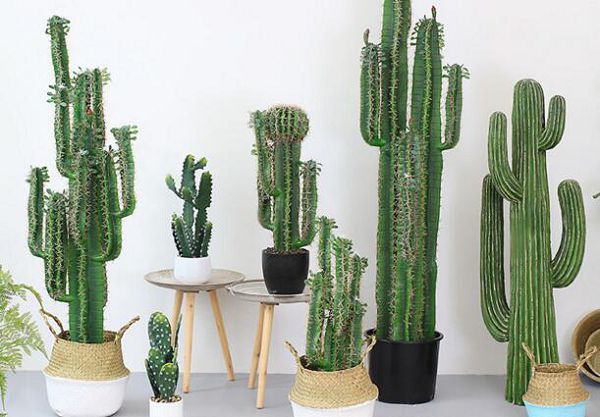
In recent years, with the rise of the Nordic home style, many people buy cacti to grow at home to match their home decor. So how do you grow cacti well? How do you fertilize cacti? Next, the editor will walk you through these questions.
Introduction to common fertilizers for cacti
There are roughly several fertilizers suitable for cacti: well-rotted fertilizers with low salt content, and nitrogen fertilizers, phosphorus-potassium fertilizers, etc. can also be used. In fact, we can also make some homemade fertilizers. Below I will briefly introduce a few homemade fertilizers.
Plant ash: Plant ash is the most common potassium fertilizer. It can be mixed directly with soil to plant plants.
Bone meal: Bone meal can be soaked in water before use, and it can be used for all plants.
Hoof and horn: Chop hoof and horn into pieces and soak them in water. Once rotted, they can be used, likewise for all plants.
Master the fertilization timing properly
In spring, we can fertilize once every half month, and 4-5 times is enough. In autumn, fertilizing once a month is enough. In the hot summer, the interval can be shortened to about once every 10 days. Summer requires more nutrients, so the interval is shorter. Stop fertilizing until early October. If fertilization is not controlled well at this time, it is easy to freeze and damage the cactus in winter.
When fertilizing, be careful not to let the fertilizer splash onto the plants. If it gets on them, promptly spray them with a spray bottle until the fertilizer is washed off.
Notes on growing cacti
Young cactus plants should be repotted once a year. Grown plants do not need to be repotted every year. Generally, repot once every 2-3 years. For fast-growing varieties, the new pot can be a bit larger than the original pot when repotting; it is suitable if the original pot can fit into the new pot. Plants that are kept in a certain degree of dryness and sufficient light during cultivation and management often have lighter stem color and slower growth, but their areoles and spines are well developed, thick and attractive.
Plants often kept in high temperature, high humidity and poor light conditions grow rapidly, have soft stems and bright colors, but their areoles and spines are underdeveloped and their color characteristics are not obvious; for example, red spines often turn dark brown. The water used for watering and spraying should preferably not contain too much sodium chloride and other salts. Generally, rainwater and well water are both fine, but the water temperature should not be too low; it is best if it is close to the air temperature. Tap water should be placed in a jar for 1-2 days before use.
Conclusion: Only plants kept at home that grow vigorously can bring people a bit of joy. I hope the related content above can help you.