How to grow magnolia? Cultivation methods and precautions
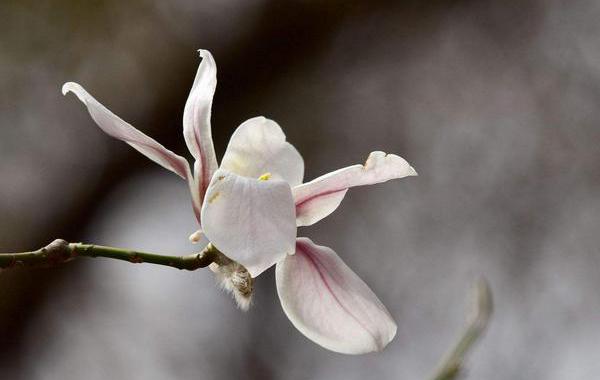
The magnolia is fresh and beautiful, elegant without being flirtatious, dignified and virtuous; its shape closely resembles the lotus, yet it is quite different from the lotus. When the magnolia is in full bloom, flowers cover the whole tree, blooming before the leaves emerge, with graceful figures standing elegantly among the branches, adding spring brightness to the courtyard. The magnolia blooms with wave after wave of fragrance, refreshing the heart and delighting the mind. So how should the magnolia be grown?
How to grow magnolia
Magnolia loves light by nature, is relatively cold-tolerant, and can overwinter in the open ground. It loves high, dry conditions and dislikes low humidity; waterlogged planting sites easily cause root rot. It prefers fertile, well-drained, slightly acidic sandy soil, and can also grow in weakly alkaline soil. In the warmer south, it can bloom from December to January of the following year.
Magnolia is an ornamental flowering tree with both color and fragrance in early spring. When planting, the timing must be grasped well, neither too early nor too late; planting 10 days before budding in early spring, or after the flowers fade and before the leaves unfold, is most suitable.
When transplanting, regardless of the size of the seedling, the roots must be kept with a ball of soil, and care should be taken not to damage the root system as much as possible, so as to ensure survival. Before planting, fully decomposed organic fertilizer should be applied abundantly in the hole as a base fertilizer. After planting, firm the soil and water thoroughly in good time.
1. Fertilizing
White magnolia by nature loves a sunny and moist environment and is not suitable for long-term growth in alkaline soil. For planting, choose a wind-sheltered, sunny, well-drained and fertile spot. Before flowering, there should be sufficient water and fertilizer to promote the beautiful magnolia
Its flowers are large and strongly fragrant. The magnolia has few branches; apart from dead branches, diseased and pest-infested branches, and branches that disrupt the tree shape, it generally does not need pruning. After the flowers fade, if the seeds are not wanted, the fruit should be cut off to avoid consuming nutrients. The white magnolia has strong cold tolerance and can overwinter in the open ground in North China and the southern part of Northeast China.
Magnolia relatively likes fertilizer, but dislikes heavy fertilizing; during the growing period, applying fertilizer twice is generally enough to benefit flower bud differentiation and promote growth. One application is in early spring, and the other is in May to June. The fertilizer is mostly fully decomposed organic fertilizer. Newly planted saplings need not be fertilized; wait until after leaf fall or the following spring to fertilize. The magnolia's root system is fleshy roots and is not tolerant of waterlogging. During the flowering and growing period, the soil should be kept slightly moist. After autumn begins, watering should be reduced to delay the magnolia's rooting, promote the maturity of the branches, and help it overwinter. In winter, it is generally not watered; water only once when the soil is too dry.
2. Pruning
The magnolia's branches and trunk have poor wound-healing ability, so pruning is generally not carried out. However, for the sake of a reasonable tree shape, water sprouts, dead branches, diseased and pest-infested branches, and branches that spoil the tree's appearance should still be cut off in the early leaf-unfolding stage. In addition, after the flowers fade, if the seeds are not wanted, the spent flowers and the aggregate fruit clusters should also be cut off, so as not to consume nutrients and affect the next year's blooming.
3. Pot culture
Magnolias are mostly planted in the ground; when potted, they are best cultivated as stump bonsai.
For potted magnolia, wiring and bending can be carried out, that is, after budding in April, as the new shoots grow, wire and bend them at any time, shaping them into curved postures and limiting the trunk from growing tall. Also, because the magnolia has a deep root system, it easily weakens after staying in a pot for a long time, so after the flowers fade, the main roots should be trimmed and it should be planted in the ground for cultivation, then potted again before flowering; only in this way can the flowers be abundant and colorful.
Magnolia cultivation methods and precautions
1. Leaf removal
For magnolias grown indoors, between the Spring Equinox and Qingming each year, you can choose to move them outdoors for a period of cultivation, mostly on cloudy or overcast days; the 2-3 days after being moved outdoors are the magnolia's adaptation time to the outdoor environment. Then remove the old leaves on the plant, keeping only a few tender leaves on the branch tips to promote new shoot growth. After that, each time the flowers fall, a small amount of old leaves needs to be removed to save the nutrients needed for new branch growth and flower bud initiation. During the magnolia's growing period, necessary and moderate pinching can also control the balanced distribution of nutrients and promote the growth of side branches.
2. Nutrients
Because the magnolia has a long flowering period, large flowers and abundant blooms, it also needs more nutrients for growth. Moderate fertilizing is needed to provide sufficient nutrients for its growth, thereby ensuring that the magnolia can produce lush and beautiful flowers when the normal flowering period arrives. When potting, apply a sufficient amount of base fertilizer; during the flowering period from May to July, apply an organic liquid fertilizer mainly of phosphorus and potassium (decomposed cake fertilizer water) once every 5-7 days. Adhere to the principle of light but frequent fertilizing; the fertilizer can be prepared from dilute to concentrated, and raw fertilizer must never be applied, to avoid burning the roots. In addition, every 7-10 days, foliar feeding should also be carried out once, spraying a 0.5 percent concentration plant growth promoter and a 0.3 percent concentration potassium dihydrogen phosphate.
3. Watering
The magnolia's roots are fleshy roots, so water control must be just right. Therefore, from early summer to late autumn, water once every day to keep the soil moderately moist; especially during the dry dog days, water once in both morning and evening, and air humidity should also be raised by spraying water on the leaves and flower pots. If the water used is tap water, be careful to prevent the soil from becoming alkaline; if leaf yellowing occurs, promptly apply ferrous sulfate water or acidic vinegar water at a concentration of about 0.7 percent to the roots. During rainy spring weather, avoid water accumulating in the flower pot to prevent root rot.
4. Light
The magnolia's growth needs to receive sufficient light; during the growing period it should be placed on a balcony or other sunny spot with long sunshine hours and strong light, and during the flowering period even more attention should be paid to light care, ensuring more than 6 hours of light per day. Long-term care in a shaded place is not conducive to the magnolia's normal blooming. Only during the dog days, when direct strong light lasts long, should moderate shading be carried out, usually between 12:00 and 16:00 each day. At this time, the ground temperature should also be lowered; the specific method is to pour and spray cool water on the ground, which also raises air humidity, artificially creating a suitable environment for the magnolia's growth.
Common diseases and pests of magnolia
Common diseases and pests of magnolia: anthracnose, leaf spot disease, cicadas, red wax scale, cottony cushion scale, red spider mites, bagworms, longhorn beetles, etc. Once discovered, they can be sprayed with chemicals to kill them. However, longhorn beetles bore into the branches and trunk and the root crown, sometimes killing the tree. If sawdust-like frass is found, look for the insect hole, use a cotton ball dipped in undiluted dichlorvos to plug the hole, then seal the opening with mud, and it can be fumigated to death.
What medicinal value does magnolia have?
Magnolia contains citral, clove oil acid, and more. The magnolia is pungent and warm in nature and taste, with the effects of dispelling wind and dispersing cold, unblocking the orifices, and freeing the lungs and clearing the nose. It can be used for headache, blood-stasis-type dysmenorrhea, nasal congestion, acute and chronic sinusitis, allergic rhinitis and other conditions. Modern pharmacological research shows that magnolia has an inhibitory effect on common skin fungi.
Pure as jade, fragrant as orchid, the magnolia carries the meaning of steadfast and unchanging love. In China, when auspicious and festive days come, the magnolia becomes a bond connecting people with one another. The magnolia symbolizes friendship, possessing the magnolia's beauty and also the magnolia's character. Sow one magnolia, and harvest a whole tree of new life and beauty.