How to Grow Aglaia odorata? Detailed Guide to Cultivation Methods and Precautions
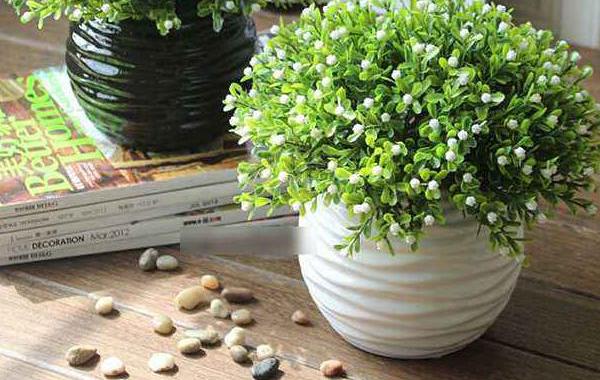
Aglaia odorata is a flowering plant species native to China. It is currently distributed in many countries around the world and is a highly ornamental plant. Aglaia odorata is very popular on the market today, which attracts many people to cultivate it. However, before cultivating it, what everyone is most concerned about is surely its cultivation techniques.
How to Grow Aglaia odorata
1. Temperature should be suitable: Aglaia odorata prefers warmth. The higher the temperature, the more fragrant the flowers it produces. Generally speaking, when the temperature is above 30°C and under sufficient sunlight, the flowers produced are strongly fragrant; conversely, when the temperature is below 30°C, and if it is also in a shaded place with insufficient light, the flowers produced are not as fragrant as those at high temperatures. To grow Aglaia odorata well, the suitable temperature range is between 20°C and 35°C, and it can bloom as many as 5 times during the period from June to October.
2. Light should be sufficient: Aglaia odorata should be placed in a sunny place in all four seasons. If Aglaia odorata is placed in a courtyard or balcony with sufficient light and good ventilation, with daily light of 8 hours to 12 hours or more, the plant's leaves will be dark green, the branches will grow thick and strong, the number of blooms will be high, the flowers will be bright yellow, and the fragrance will also be relatively rich. If Aglaia odorata is kept in an environment with insufficient sunlight and shade, the plant's branches and leaves will grow leggy and weak, the number of blooms will decrease, and the fragrance will be faint.
Cultivation Methods for Aglaia odorata
1. Watering. When Aglaia odorata begins to sprout in spring, pay attention to watering. You can appropriately control water, which is the most critical part of controlling branches and promoting flowers. If watering is not properly controlled when Aglaia odorata sprouts, it is very easy to cause leggy growth of branches and leaves. The best method is to water again when the tender tips are slightly shriveled and drooping. During other growth periods, keep the potting soil in a slightly dry state and appropriately control nutrients. Promote the growth of branches and leaves.
2. Fertilizing. Apply organic fertilizer 1~2 times per week, and when the flower buds have already opened, apply additional phosphorus fertilizer. After flowering, apply organic fertilizer once according to the size of the plant shape to replenish the nutrients consumed and lay a good foundation for the next flowering. However, when fertilizing, water should also be appropriately controlled, with the limit being that the tender tips do not shrivel.
3. Pinching in time. Aglaia odorata has a very strong sprouting ability, with many tiller buds and adventitious buds. To ensure normal flowering, it is necessary to promptly cut off branches and leaves on the inner branches that are too dense, weak in growth, or too long, so as to reduce nutrient consumption. When the branches grow to 15~20 leaves, pinching should be done, which can promote the development of more side branches. Timely pruning can also control the length of each branch, not only controlling the plant shape to be perfect, but also ensuring that each flowering is neat and beautiful.
Precautions for Cultivating Aglaia odorata
Aglaia odorata needs sunlight all year round, preferably 12 hours of light per day. Therefore, Aglaia odorata at home is best placed outdoors or on a balcony in a place with sufficient sunlight, so as to ensure the leaves are vividly green and the flowers are beautiful and fragrant.
Pests and Diseases of Aglaia odorata and Their Control
1. Aphids. Aphids are fairly common for Aglaia odorata. When they occur, the leaves will be covered with small white insects, which look a bit disgusting. But the method to remove them is also very simple. You can wipe them off with soapy water, or spray with 800-fold diluted Mieyaling solution. When there are few insects, it is recommended to remove them manually and spray as little pesticide as possible.
2. Red spider mites. Red spider mites rarely occur on Aglaia odorata grown at home, but if it is maintained on an open-air balcony, it is hard to say. The wind and air outside can bring pathogens at any time. Once red spider mites are found on the plant, spray pesticide immediately, and pay attention to the concentration in the early stage. After spraying the pesticide, pay attention to placing it in a ventilated place to avoid affecting the environment.
3. Anthracnose. Control methods: Pay attention to maintenance, ventilate and drain moisture in time, and promptly remove dead leaves and weeds to avoid breeding bacteria. Once diseased leaves are found, remove them in time. Reasonably apply nitrogen, phosphorus, and potassium fertilizers to promote robust plant growth and improve disease resistance. According to the plant's growth condition, appropriately supplement fertilizer. In the early stage of the disease, promptly spray 80% thiophanate solution, or other pesticides. Once every 5~10 days, spraying 3~5 times is sufficient.
The cultivation method for Aglaia odorata is actually very simple. Aglaia odorata loves light, so when cultivating it, be sure to pay attention to the regulation of temperature and light. In the later stages of cultivation, it is necessary to strengthen fertilizer and water management. Timely pruning and pest and disease control are also inevitable factors in ensuring its growth.