How to best encourage budding after beheading a Peace Lily tree
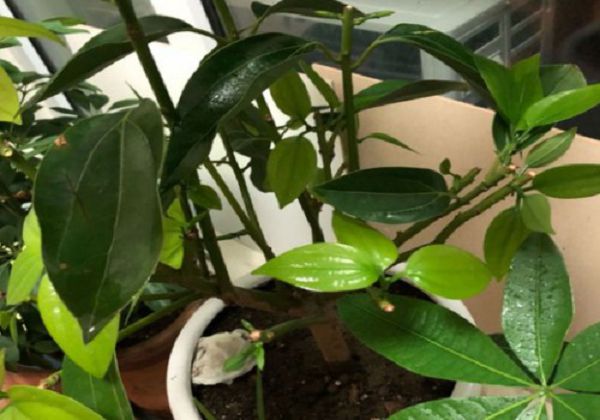
The Peace Lily tree is an evergreen foliage plant that offers both good ornamental value and a beneficial role in greening and beautifying the environment, making it very suitable for growing as a potted plant. However, if kept at home, because of its well-developed root system and rapid growth, it can easily grow lush and bushy, but at the same time it can also easily grow too large in form, so when it reaches a certain height it needs to be beheaded for dwarfing, thereby promoting the sprouting of side branches.
Beheading of the Peace Lily tree is generally carried out in spring before sprouting. After beheading, its main growth points are dispersed along the trunk, and it also saves a considerable amount of nutrients, allowing nutrients to flow back into the trunk, thereby accelerating the plant's sprouting of new buds. But sometimes, due to a poor growing environment, when the spring sprouting season arrives, it may sprout slowly, produce few new buds, or even fail to sprout at all. So at this point we need to carry out budding encouragement for it. So how is it done?
The most important factors affecting the sprouting of the Peace Lily tree are usually light, temperature, humidity and nutrients, so in order to do a good job of budding encouragement management and help the plant sprout, branch and leaf out faster, we usually need to focus on strengthening the management of these aspects. Let's take a look below.
1. Light
The Peace Lily tree likes light and is also fairly shade-tolerant, but during the budding period it is essential to ensure sufficient light, otherwise budding may be affected. The light intensity in spring is not strong, so even direct sunlight will not scorch it. To promote budding, provide it with as much light as possible. Moreover, in early spring the temperature is sometimes still relatively low, and increasing light can also raise the temperature inside the pot, giving the plant more growth vitality so that it sprouts faster.
2. Temperature
The Peace Lily tree likes warmth and is not cold-tolerant. If the ambient temperature is too low, it will often greatly affect the sprouting of new buds. Moreover, in early spring the temperature is often unstable, and sometimes a late spring cold snap occurs and the plant gets chilled, which further affects its budding. Therefore, ensuring temperature is an important condition for getting a beheaded Peace Lily tree to bud quickly. Generally, the ambient temperature should be kept as stable as possible at around 20°C.
3. Humidity
The Peace Lily tree likes a moist growing environment, and prolonged drought will also affect its budding. The plant also has certain requirements for air humidity; if the air is too dry, it is also unfavorable for its growth. Moreover, after we behead it, some of the water in the plant will also be lost from the wound site, so it is all the more necessary to spray the trunk frequently to maintain moisture. If necessary, watering and spraying can be combined, which is more conducive to the plant's budding.
4. Fertilizer
Although the Peace Lily tree does not like heavy fertilizer or concentrated fertilizer, especially raw fertilizer, it does fairly like fertilizer. As long as we can keep the concentration within a reasonable range and apply fertilizer promptly, it can greatly promote its budding and growth. Therefore, during the plant's sprouting season, we must promptly supplement some fertilizer starting from before budding begins. Only when the plant has sufficient nutrients is it more likely to sprout and grow leaves.
Of course, in order to help a beheaded Peace Lily tree bud faster and better, in early spring you can also bag it, which both preserves warmth and maintains moisture. However, once the tender buds emerge, the bag should be removed promptly to exchange air, allowing the tender buds to breathe fresh air and thereby avoiding suffocating them; you can also use this opportunity to water or spray to maintain moisture.