How to properly handle soil-cultured hyacinths after they bloom
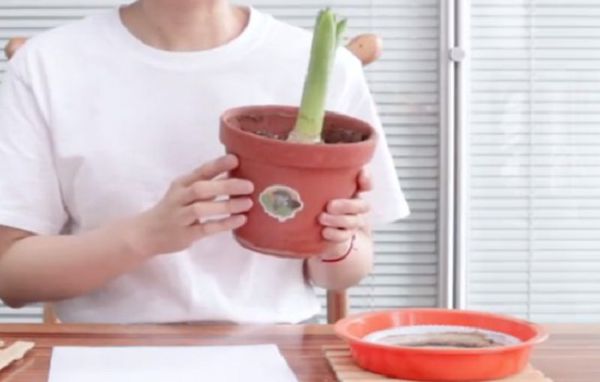
Potted hyacinths are very beautiful, especially when they are in full bloom, when they are even more eye-catching. Although hyacinth flowers are very beautiful, after all, their flowering period is relatively short, and perhaps some gardening friends have not yet seen enough before they begin to gradually fade. The hyacinth is a perennial bulbous plant, and even after the flowering period ends, as long as post-bloom care is done properly, there is still hope of making it bloom again the following year.
But how should hyacinths be handled correctly after blooming? In the previous article, the editor shared with everyone relevant knowledge on how to handle water-cultured hyacinths after blooming. Today, the editor will share with everyone how to handle potted soil-cultured hyacinths after blooming, hoping it will help everyone do a good job with post-bloom care of hyacinths. Below, the editor will share the method with everyone.
After soil-cultured hyacinths finish blooming, their leaves and flower stems will also gradually wither as the summer temperatures rise in the following days. So in order to avoid wasting nutrients, we likewise need to promptly cut off the spent flowers, leaves, and flower stems of soil-cultured hyacinths after blooming, keeping only the bulb. But unlike the storage method for water-cultured hyacinth bulbs, the bulbs of soil-cultured hyacinths are suitable for sand storage.
Sand storage means that during the hot summer, the dormant hyacinth bulbs are buried in sand for preservation. Also, the bulbs of soil-cultured hyacinths are not stored for a long time by directly placing them in the refrigerator's cold storage compartment like the bulbs of water-cultured hyacinths. Soil-cultured hyacinth bulbs only need to wait until about July, preferably around July 20th, to be dug out from the sand storage state, and then placed in the refrigerator for cold storage. Moreover, the temperature in the cold storage compartment is best adjusted to around 4°C, because at this time we can use this method to force the bulbs to sprout.
After the hyacinth bulbs undergo low-temperature sprouting treatment, once the new shoots grow out, we can continue to bury them in sandy soil for cultivation. And by around December of cultivation, the hyacinth bulbs will not only have more roots, but also stronger ones. At this time, we can directly plant them into flower pots to maintain and manage them as potted plants. And during this period, we do not need to spend too much time and energy caring for them.
Compared with the post-bloom handling of water-cultured hyacinths, the post-bloom handling of soil-cultured hyacinths is slightly different. The former mainly involves directly cutting off the excess parts after blooming, keeping the bulbs, and then directly carrying out cold storage; while the latter mainly involves first storing the bulbs in sand, then transferring them to cold storage for sprouting, and finally planting them in pots for establishment. By comparison, the post-bloom handling of water-cultured hyacinths is a bit less troublesome than the post-bloom handling of soil-cultured hyacinths.