How to Grow Impatiens? Detailed Guide to Cultivation Methods and Precautions
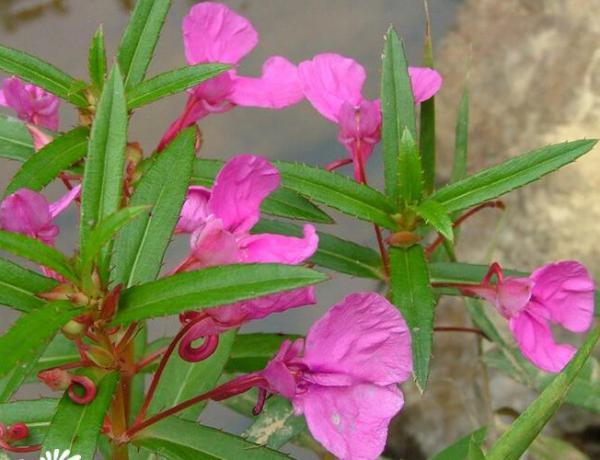
With a shape like a crane's crest and a look like a colorful phoenix, graceful in posture and charmingly delightful, impatiens (Impatiens balsamina) has always been very popular among gardening enthusiasts, and growing impatiens has also become a hobby for flower growers. Today, the editor will introduce to you the cultivation methods and precautions for impatiens.
1. Soil: Impatiens is suited to fertile, moist, loose soil; it is best to prepare a slightly acidic soil mixed with some sandy soil.
2. Watering: During its growing period, water it in time to keep the soil moist, especially in summer when the amount of watering should be increased, but waterlogging must not occur. If the rainy season is too wet, reduce watering and drain the water promptly.
3. Light: It needs about 4 hours of diffused light each day. When the summer sun is strong, shade it to avoid scorching the leaves.
4. Temperature: The most suitable temperature for impatiens growth is 16-26°C, and the lowest temperature should not fall below 10°C. In winter, take certain measures to keep it warm to avoid frost damage.
5. Management: Loosen the soil and remove weeds in time so that weeds do not take away its water. When it is relatively dry, water it appropriately. When the seedlings have grown to about 30 cm, the old leaves can be cut off.
5. Precautions
1) Pests and diseases: Impatiens generally seldom suffers from pests and diseases. If the temperature is relatively high, powdery mildew may appear; at this time, spray a 800-fold dilution of 50% thiophanate-methyl wettable powder for control.
2) Flowering period control: If you want to delay the flowering period, you can sow in July, or use the method of pinching, and remove the early-opening flower buds so that it keeps expanding. Also pay attention to preventing pests and diseases.