The best time to prune, repot and change the soil of tree peonies
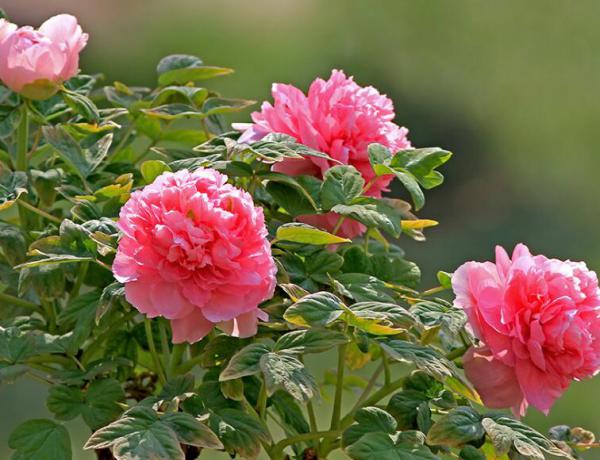
Anyone familiar with tree peonies knows that they dread heat, and in the hot summer they enter a dormant state. So for flower lovers who love tree peonies, after the flowers fade in spring they always prune them, and the more ruthless ones will even cut the plants right back, then place the tree peonies in a cool, bright, indirectly lit and ventilated spot to get through the summer.
After the hot summer and the "autumn tiger" heat have passed, and once the cool autumn arrives with temperatures around 20 degrees, the tree peonies will slowly push out new buds. At this point we need to control the growth of the new buds, to avoid them growing too fast and consuming too many nutrients, which would mean fewer flowers or poorer flower quality next year, so care in autumn and winter is crucial.
As for the question from a reader about when to prune and change the soil of tree peonies, both autumn and spring are good choices, meaning late autumn and the start of spring each year are the most suitable times to prune and change the soil. In late autumn, prune off the new buds that emerged in autumn, and if the potting soil is severely compacted, repot and change the soil, then care for them safely through the winter; once spring comes and the ground thaws, just care for them normally and wait for them to bloom.
Early spring is also a good choice. After spring arrives each year, dig out the tree peony plants, prune off the dead roots, cut away most of the withered branches, then pot them up and care for them. As the new branches of the tree peonies sprout, provide good nutrition, and a pot bursting with flowers is not hard to achieve. Still, I always feel that tree peonies have a rather narrow range of suitable growing regions; in places that are too hot they simply do not bloom at all. Comparatively speaking, Chinese peonies (Paeonia lactiflora) are easier to care for.
In autumn, what we need to watch out for is preventing the tree peony branches from growing too fast, because autumn temperatures are very suitable for tree peony growth, and the plants will quickly send out many new branches. Generally they start sprouting branches in September, and after October they will put out very long branches, yet tree peonies do not bloom in autumn, so this wastes a great deal of nutrition, which is why we do not recommend letting tree peonies grow vigorously in autumn.
So once autumn arrives, as the tree peonies grow, we should supplement nutrients appropriately, then pinch the tips appropriately to control vigorous growth, and prune away branches as much as possible, leaving only a few leaves to carry out normal photosynthesis and store nutrients, keeping only a small number of branches and not letting more new buds sprout.
After winter sets in, just supplement the base fertiliser in time and let them pass the winter safely. Once the thawing water is given in early spring, a large number of new buds and new branches will emerge directly. With sufficient nutrients, sturdy buds and well-developed flower bud differentiation, the tree peony flowers will be bigger than a bowl, with vivid colours and a rich, noble beauty.
Conclusion: autumn is the best time for us to introduce tree peonies. Tree peonies are quite popular in autumn; after repotting and changing the soil in autumn, by the time they have passed the establishment period it is almost October, and as temperatures slowly drop, root activity gradually declines. After they pass the winter smoothly, in spring they will sprout buds and send out branches directly without any fuss, and you need only supplement nutrients; normally they will then bloom and can be enjoyed. Of course, you can also repot and change the soil after early spring, but this should be done before root activity becomes strong, that is, it is best done in early spring when new buds are sprouting; too early and you risk a late cold snap, too late and the flowering will be poor.