How to pot a mail-order osmanthus? Teach you the correct potting method
Potted osmanthus is suitable for transplanting and potting in spring and autumn. If you want to see its beauty when it blooms and also experience its refreshing fragrance, then why not take advantage of this season to grow a pot of osmanthus at home! If you don't have a suitable osmanthus sapling around for potting, we can also buy a sapling online and pot it. But transplanting a mail-order osmanthus requires mastering certain methods, so what are they?
The osmanthus saplings we buy online usually come with soil. Because they still have to go through transportation, transplanting with soil often makes it easier for them to adapt to the pot and survive. But to more easily obtain small saplings suitable for potting, merchants generally use grafting to propagate them, mostly using Chionanthus retusus as the rootstock. If it is a grafted sapling, it is recommended to choose one that has been grown for many years, so the rootstock grows thicker and has more roots, making it easier to adapt to the pot and survive after potting.
Of course, using Chionanthus retusus as the rootstock to graft osmanthus has quite a few advantages, such as better growth after the plant survives and stronger stress resistance. If transplanted with a soil ball, the survival rate is also relatively high. Merchants generally choose to use garden soil or mud to cultivate grafted osmanthus saplings, so after you get it, you can see that the soil at the plant's roots is relatively hard, because when osmanthus is grown purely in mud, the soil is more prone to compaction.
Therefore, before potting such osmanthus saplings, we suggest loosening the relatively compacted soil around the roots. If we pot it directly without loosening the soil, the new roots will find it very difficult to come into contact with the new potting soil, which is not conducive to root growth or rooting. Because the soil is relatively hard, be careful when loosening it to avoid damaging the plant's roots. It is recommended to first soak the roots in water for a while so they fully absorb water, which makes loosening the soil easier.
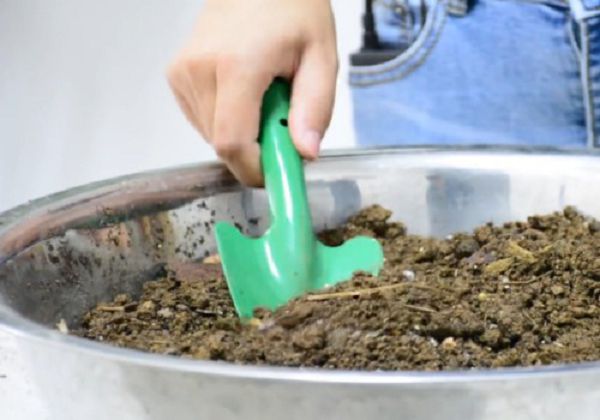
Osmanthus prefers fertile, loose, breathable, well-draining, slightly acidic sandy soil, so we must never use alkaline soil for potting. Generally, we can use a mixed substrate of garden soil, coarse sand and leaf mold for potting. But before potting, we also need to prepare a flowerpot of suitable size and depth, and the pot's specifications should match the size of the selected plant. A pot that is too large, too deep, too small or too shallow is not conducive to the distribution and growth of the plant's roots.
When potting, first make a drainage layer at the bottom of the pot, then pour in a layer of soil, then place a layer of organic fertilizer, preferably decomposed fertilizer, as a base fertilizer. Of course, we can also evenly scatter a layer of slow-release controlled-release fertilizer in the pot, then cover it with a layer of soil to avoid direct contact between the fertilizer and the osmanthus roots, which could cause fertilizer burn. After potting, immediately water thoroughly once as settling water, then place it in a cool, ventilated place with scattered light to recover. After the plant successfully adapts to the pot and survives, we can resume normal care and management for it.