What to do when a Kalanchoe (florist kalanchoe) has root rot? Here are the solutions
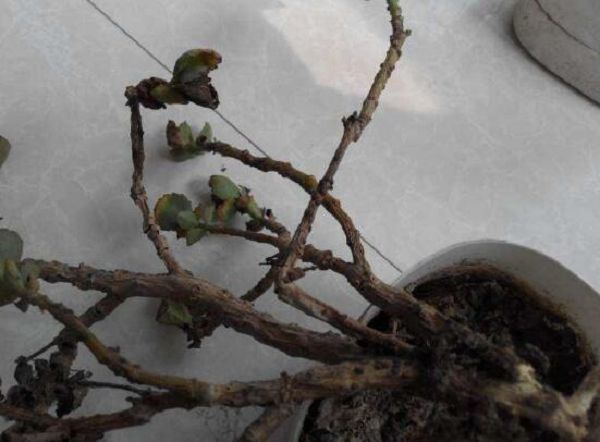
The Kalanchoe is a beautiful symbol for people, meaning longevity and great good fortune. When we grow it at home, we all take care of it. But what should you do when one day you find your Kalanchoe has root rot? Is there any solution? Actually, there is no need to worry, because root rot in Kalanchoe does have solutions. Below I will explain them to you, hoping it will help.
I. Solutions for Kalanchoe root rot
1. When we find root rot while growing a Kalanchoe, first take the Kalanchoe out of its pot, remove all the soil surrounding the roots, and use a knife to cut away the roots that have already rotted. Be sure to completely cut away the roots that have rotted and changed color. Otherwise, improper treatment of the rotting wounds will lead to even more serious rot.
2. After thoroughly cutting away the rotten roots, the cut surfaces need to be disinfected. You can apply carbendazim to them, which effectively prevents the plant from being infected by bacteria again. Then place it in a cool, ventilated place, and afterward carry out rooting treatment.
3. If the rotten root area of the Kalanchoe has grown flower buds, you can cut off the flower buds to prevent excessive consumption from harming re-rooting. But the leaves should be kept, because the leaves can carry out normal biological functions and effectively promote the regrowth of roots from the branches. Pruning in this way is very beneficial for the plant's regrowth.
4. Kalanchoe can be grown in water, and a Kalanchoe that needs to root will very easily grow new roots in water. After about half a month in water, you can see that new roots have formed, and at this point it can be potted normally in soil for growing.
II. Solutions for Kalanchoe root rot
1. When you find the plant showing a top-heavy condition with no root foundation, you can take the plant out of the potting soil, soak it in water for a short time, then shake off the medium to expose all the roots. If the root system is large and only a few roots have rotted, you can cut off only the rotted and decayed roots, and then rescue the whole plant.
2. If it is late-stage root rot, you should decisively cut off all the roots, then according to the degree of lignification of the stem, cut the whole plant into several sections to rescue it. The cut surfaces should be smooth and neat, which helps the wounds heal. If conditions allow, you can soak the diseased roots and wounds in 0.2% potassium permanganate; if you do not have potassium permanganate, just let them dry slightly and then carry out cuttings.
III. Causes of Kalanchoe root rot
For home-grown Kalanchoe, root rot is a common disease. The cause is a lack of oxygen in the medium, so the roots carry out anaerobic respiration, produce alcohol, and kill the root cells. It is mainly caused by poor permeability of the medium, planting too deep, excessive watering, and excessive fertilizing.
Conclusion: When you find that a Kalanchoe has root rot, you should promptly look for the cause and solve it in time. Let the Kalanchoe root system regain its vitality and grow stronger and more beautiful.