What fertilizer is best for orchids? A detailed guide to fertilizing methods
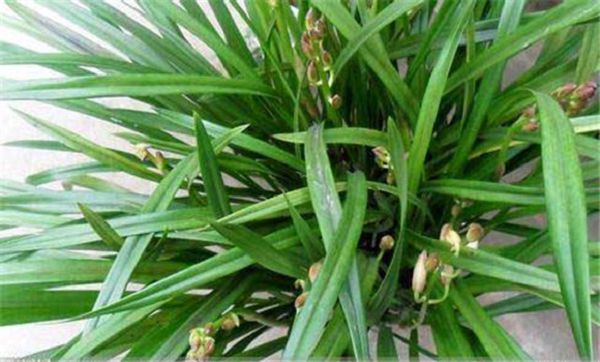
Growing orchids involves a lot of know-how, and fertilizing in particular is a big subject. Here is a share on that.
Generally speaking, orchids should not be fertilized heavily. If the leaves are yellow and thin, it indicates a lack of fertilizer; if the leaf color is dark green, it indicates too much fertilizer. During the peak growth period of orchids, in June-July, when the leaf buds reach 1 cm, the above-mentioned dilute fertilizer can be applied several times as a top dressing. In the hot summer season, fertilizer is usually not applied. In September, when it turns cool in autumn, it can be applied 1-2 times, in the evening, followed by watering once with clear water the next morning. Cymbidium goeringii and Cymbidium ensifolium can be top-dressed 4-5 times a year, with one application each in June-September.
What fertilizer is best for orchids
(1) Crush soybean cake or rapeseed cake, add soil, mix at a ratio of 1:2, and use after air-drying for 2-3 months.
(2) Sun-dry chicken manure, ferment it for 3 months, then mix it with twice its amount of fine soil.
(3) Soak 2 parts soybean cake in 3 parts clear water for 1 year, use the clarified liquid and dilute it (5%). In addition, mixing some bird droppings with a suitable chemical fertilizer, soaking it until fully fermented, and then diluting it for use is also a good fertilizer for orchids.
Orchid fertilizing generally has the following characteristics:
1. Apply as little fertilizer as possible to orchids. Orchids grow relatively slowly, so orchid fertilizer should be as dilute and as little as possible, applied about once every ten days, using the method of frequent application of weak fertilizer.
2. Pay attention to the weather and temperature when fertilizing orchids. It is best to fertilize orchids in fine weather; do not fertilize on cloudy and rainy days. Also, it is best to fertilize orchids when the temperature is suitable; do not fertilize in high heat or severe cold.
3. When fertilizing orchids, look at the orchid leaves. If the surface of the orchid leaves is glossy, it means the orchid is not lacking fertilizer; if the orchid leaves are dull and lusterless, it means the orchid needs fertilizer.
4. When turning the soil and repotting, orchids can be fertilized in an appropriate amount. When turning the soil and fertilizing orchids, be careful that the fertilizer does not touch the orchid roots, as this can easily burn the orchid roots.