What is hypoglycemia in newborn piglets?
Hypoglycemia in newborn piglets
I. Causes of hypoglycemia in newborn piglets:
①. The sow has no milk or little milk.
②. The quality of the breast milk is poor.
③. The piglets are unable to suckle enough breast milk.
④. Some sows are unwilling to nurse the piglets, or the sow does not have enough teats.
⑤. Sudden temperature changes and low temperature in the farrowing house are the main factors inducing this disease.
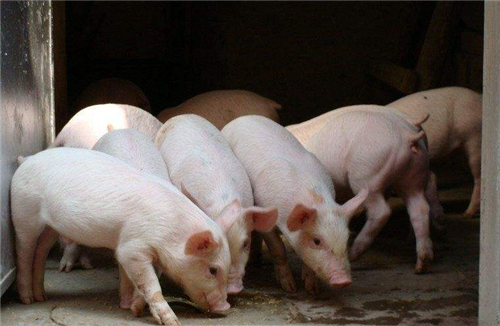
II. Main symptoms of hypoglycemia in piglets:
①. The piglets are listless, with weak and limp limbs, and occasionally muscle tremors. The piglets huddle together and are drowsy, with cold and pale skin.
②. In the later stage, they lie on the ground unable to stand, with neurological symptoms, convulsions, empty chewing, muscle tremors, and death from exhaustion.
③. Necropsy: there is varying degrees of subcutaneous edema in the neck and abdomen; when cut open, there is colorless transparent edema fluid, and blood coagulation is poor; the stomach contains curdled milk clots; the liver shows special lesions, being earth-yellow or orange-yellow, brittle in texture, breaking at the slightest touch, with sharp edges; the gallbladder is enlarged and filled with yellow bile.
III.Treatmentmethods:
①. 5%--10% glucose 15--20 milliliters by intraperitoneal injection or subcutaneous intramuscular injection, once every 4--6 hours, until the symptoms ease and the piglet can suckle on its own.
②. 20% glucose orally, 10--20 milliliters, once every 2--3 hours, for 2--3 consecutive days.
③. Improve the rearing conditions so that the piglets are at a suitable temperature; when breast milk is insufficient, artificially nurse the piglets.
IV. Preventive measures:
①. Focus on observation during the first week of the piglets' life, detect as early as possible, and treat as early as possibletreatment。
②、prevention and controlpiglet starvation, let them consume colostrum as early as possible; if breast milk is insufficient, supplement with veterinary milk powder.
③. Strengthen feeding management for pregnant sows, ensure the sow feed is comprehensive in nutrition, and at the same time regulate the development of the sow's mammary glands to ensure the sow has sufficient high-quality breast milk; pay attention to avoiding various stresses on the sow. If the sow gives birth to too many piglets, some can be separated out for foster nursing.