When is the best time to repot succulents?
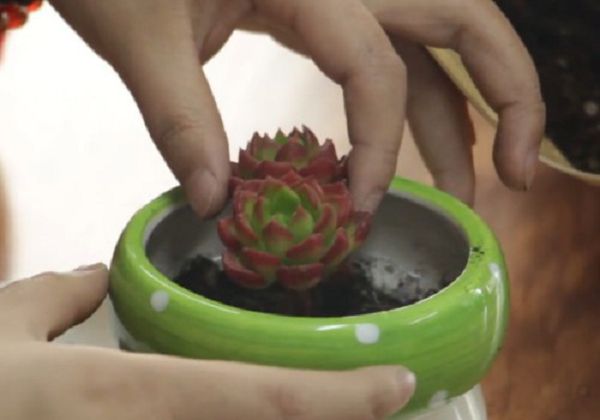
Succulents are generally fairly easy to grow, and even in a potted environment, they usually do not require us to deliberately do certain aspects of care work every day. But if grown in pots, we cannot let succulents stay in the original pot and old soil until the end of their lives. Changing the soil for them in a timely manner can not only make the plants grow better, but may also achieve the goal of extending their lifespan.
However, we cannot change the soil for succulents anytime and anywhere, because changing the soil in different seasons means the time for the plants to recover and adapt to the pot varies in length. Moreover, changing the soil for succulents in an unsuitable climate environment will bring many difficulties, and a slight mistake may lead to failure in changing the soil. At the same time, it is not that the more frequently the soil is changed, the better, because after each soil change the plant has to adapt to the new pot and soil environment.
Therefore, when changing the soil for potted succulents, we should not only control the frequency well, but also adopt the correct method. But the first thing to do well is to choose an appropriate time for them, so that the plants can better adapt to the pot and quickly return to normal growth. Changing the soil for succulents can be done in the following situations.
1. When we find that our potted succulents show no obvious growth for a long time or even stop growing, then we may consider changing the soil for them. Because if this happens when other aspects of care are done well, then it may be that the pot soil is no longer suitable for the plant's growth, so it is necessary to change the soil for them in a timely manner.
2. When succulents develop root rot, we can also consider changing the soil for them. Succulents are generally prone to root rot caused by overwatering, and if we do not rescue them in time, they may die. When succulents generally show symptoms such as wilted and fallen leaves, we need to promptly check whether the roots have rotted, and if confirmed, change the soil in time, or even change the pot.
3. When the mother plant of a succulent produces many pups, or when the young plants grow up, the plant's root system becomes very extensive and there is no longer enough space in the pot to spread out, it is often necessary to change the pot in time, and also to change the soil. Those that need dividing should be divided, and those that need transplanting should be transplanted. This can not only solve the problem of insufficient space in the pot, but also replenish fresh and more abundant nutrients.
4. Potted succulents generally need regular repotting and soil changing every 1-2 years, after all, the plant's root system becomes more and more developed and numerous as it grows, and the nutrients in the pot soil are consumed less and less. To ensure that the plant can always maintain robust growth and a good ornamental appearance, we also need to repot and change the soil for them, and this is generally done together with root pruning.
Generally, it is best to repot succulents in a timely manner under the above several situations, and in other situations, if the soil does not need to be changed, try not to change it. After all, every time the soil is changed, the plant has to re-adapt to the new pot and soil environment, thus going through a process of recovering. The more frequently the soil is changed, the more unfavorable it is to the plant's growth, because the plant has to constantly adapt to the new pot and soil environment, and during the recovery period the plant's growth is very weak, and the growth condition is generally very poor.