How do you behead and prune an Alocasia macrorrhizos? Teaching you the correct method
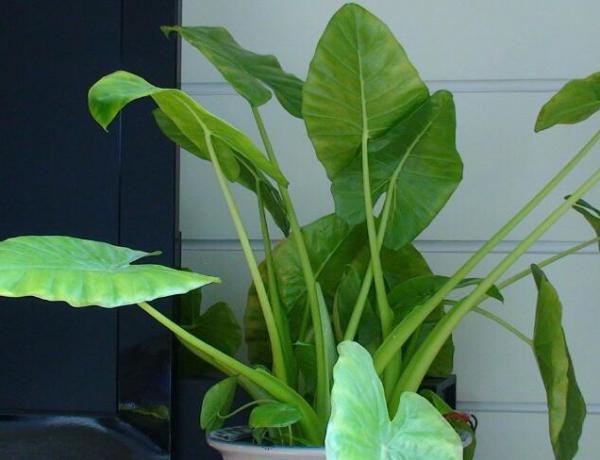
First move the Alocasia macrorrhizos with problems to an open area, and prepare a sharp knife, suitable potting soil, and disinfecting carbendazim. Take the Alocasia macrorrhizos out of the pot, and cut off the stem completely. Then carry out disinfection treatment: soak the cut-off stem in carbendazim, take it out after soaking and let it dry. First water-culture the stem for a period of time, and after roots grow out, then carry out soil culture and care.
1. Prepare tools: First move the Alocasia macrorrhizos with problems to an open area, so that it is convenient to operate. Prepare suitable tools, which are required to be somewhat sharp; for the knife you can choose a larger one. Also prepare a suitable flower pot and soil, as well as carbendazim for disinfection.
2. Take out of the pot: Take the Alocasia macrorrhizos out of the pot, first loosen the soil around it, then deal with the problematic leaves, and cut off the stem completely; the problematic stem must not remain on it. After that, deal with the roots and cut off the problematic root hairs on them.
3. Soak for disinfection: For the plant after beheading, the wound needs to be disinfected to prevent problems such as infection. Prepare a somewhat large bucket, fill it with clean water, then add an appropriate amount of carbendazim, stir it evenly in the wooden bucket, then soak the cut-off stem in it; soaking for about 5 minutes is enough, and after soaking take it out and let it dry.
4. Replant: The treated stem part should first be water-cultured; after water culture for a period of time, roots will grow, and afterwards it can be planted in soil. The soil can be mixed with coarse sand and peat soil, then plant the plant into it. After planting, maintain a certain temperature, trying to keep it at around 20°C.