What causes leaf drop in Pilea peperomioides?
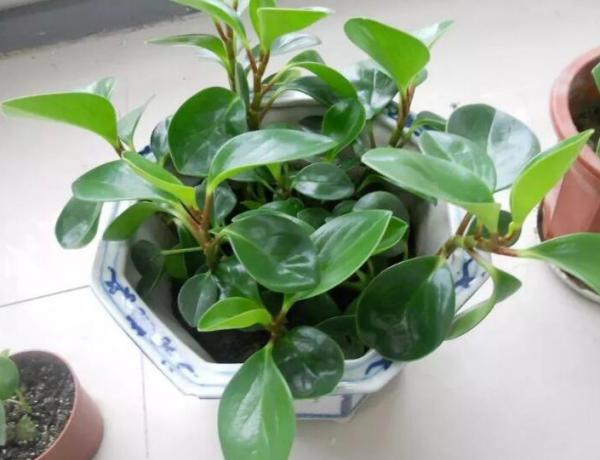
Pilea peperomioides dropping leaves may be caused by overwatering, lack of water or light, temperatures that are too low, or unsuitable soil, and in each case corresponding measures should be taken. When overwatering is the cause, watering must be stopped; when water or light is lacking, light must be increased; when the temperature is too low, good insulation must be provided; when the soil is unsuitable, the plant must be repotted in new soil.
1. Overwatering: Pilea peperomioides is a foliage plant, often grown as a household potted plant, and some people ask why Pilea peperomioides drops leaves when grown; leaf drop in Pilea peperomioides is usually caused by overwatering. In this case, watering must be stopped, and the plant should be moved indoors to a ventilated environment for growing, while excess water in the soil must be drained promptly.
2. Lack of light: When growing Pilea peperomioides, leaf drop may also be caused by a lack of light, in which case the plant should be moved to a balcony, windowsill, or other ventilated spot with ample light for growing. Pilea peperomioides is a semi-shade plant, and during later care the plant should receive ample light while also being shaded to prevent sunburn.
3. Temperature too low: Pilea peperomioides is not cold-tolerant, and when growing it, leaf drop may also be caused by temperatures that are too low, in which case the plant should be moved indoors to a warm spot for growing, and if conditions allow, the temperature is best kept above 10°C. When growing Pilea peperomioides in winter, cold protection and insulation measures must be taken to prevent the plant from being damaged by low temperatures.
4. Unsuitable soil: Pilea peperomioides grows quickly, and when growing it the soil must be changed promptly; if the soil is not changed in time and becomes unsuitable, the plant will drop leaves, in which case the soil must be replaced promptly for growing. Pilea peperomioides likes to grow in loose, fertile, airy, well-draining soil, and the replacement soil can use vermiculite, river sand, and garden soil.