How should porcine pseudorabies be prevented and controlled when temperature differences are large in autumn and winter?
Porcine pseudorabies is an acute infectious disease caused by pseudorabies virus. It is especially harmful to large-scale farms. Pigs at all stages on a farm can be infected, and the clinical signs after onset vary greatly among pigs of different ages. Pseudorabies virus mainly attacks the central nervous system and respiratory system of pigs.
(1) Clinical signs
Suckling pigs: At first, piglets appear lethargic, anorexic and feverish. They then show neurological signs such as tremors and opisthotonus. Some pigs have hindlimb paralysis and sit in a dog-sitting posture, some circle or lie on their side making paddling movements, and some vomit and have diarrhea. The signs are similar to those of encephalitis-type streptococcosis. The morbidity and mortality rates are as high as 100%.
Nursery pigs: A few show neurological signs, and the others also have respiratory signs. They show high fever, sneezing, difficulty breathing and weight loss. These signs can last 10 days, but the pigs can recover once body temperature and appetite return to normal. Those with neurological signs generally die, and those with respiratory signs that develop secondary infection with swine pasteurellosis or pleuropneumonia generally die more quickly. The older the pig, the lower the mortality rate.
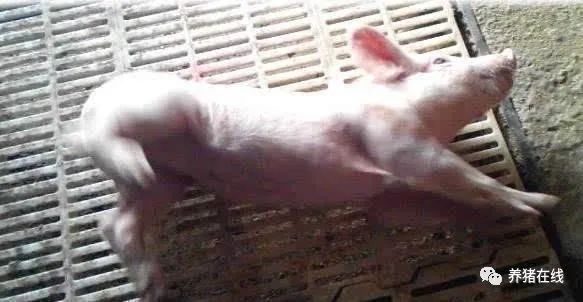
Fattening pigs: The morbidity rate can reach 100%, and the mortality rate from simple infection is 1-2%; affected pigs show sneezing, difficulty breathing, high fever, anorexia and poor spirits, and a few show muscle tremors. Thisbreeding pigsthe cure rate is not high. In clinical practice, when there is unexplained high fever and antibioticstreatmentare ineffective, pseudorabies mixed infection can be considered.
(2) Pathological changes
Necrosis of the tonsils is commonly seen, along with swelling and bleeding of the lymph nodes in the oral cavity and respiratory tract, pulmonary edema, and scattered necrotic foci or bleeding points on the lung surface; sometimes scattered white necrotic points can be seen on the surface of the spleen, liver and kidneys.
(3) Prevention plan
1. Antiviral treatment and prevention of secondary infection with swine pasteurellosis or pleuropneumonia:
Jinre Nuo + Daneng + Hongrun mixed into feed for 5-7 days, and Vitamin mixed into feed for 7 days to improve immunity and supplement vitamins.
2. Formulate a reasonable immunization program: