What to Do After a Hyacinth Finishes Blooming? The Correct Way to Handle It
Flowers bloom and fade - this is a law of nature, and no plant, however many and varied, escapes it. This saying means that when a plant finishes blooming and its flowers wither, it is simply following the natural pattern of growth. As a highly ornamental plant, the hyacinth is a favorite to grow at home. It looks especially striking and beautiful when in bloom, so what should you do after a hyacinth finishes flowering? If you are not quite sure how to handle it, let's take a look below at the post-bloom care methods for hyacinths.
I. Post-Bloom Care Methods for Hyacinths
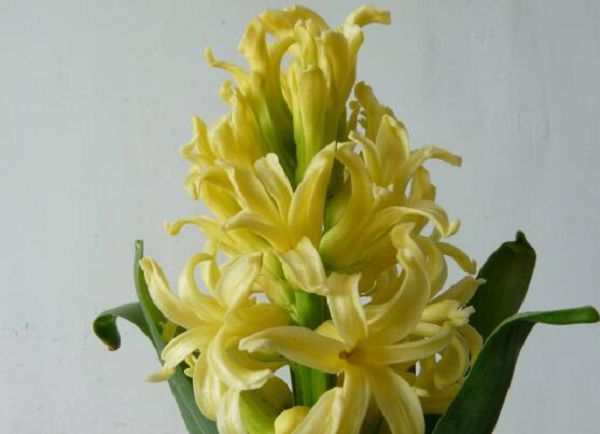
1. Hyacinths come in many flower colors; the more common ones include pink, white, blue, violet, blue-purple, orange, red, cream yellow, and dark red. The flowers emerge from the bulb in a raceme, densely surrounded by twenty or thirty small florets, each with 6 petals, like a little bell with curled edges, opening gradually from bottom to top and giving off wafts of fragrance.
2. Hyacinths can be grown in soil or in water, so once you have grown a hyacinth, what should you do after it finishes blooming? It is actually quite easy to handle, and now we will explain the post-bloom care methods for soil-grown and water-grown hyacinths.
II. Post-Bloom Care Methods for Soil-Grown Hyacinths
1. Whenever a soil-grown hyacinth finishes blooming, first of all the bulb must not be thrown away. Cut off the withered and yellowed leaves while keeping the soil moist. Also apply a suitable light fertilizer, and once the remaining leaves have all withered, stop watering. The hyacinth bulb can be left un-dug and placed in a cool, ventilated spot.
2. When late autumn arrives, you can continue growing it in soil. If you want to plant it in the original pot again, place the pot in water and let it slowly soak up enough water so the soil is thoroughly soaked, then care for it using the normal routine and wait for it to bloom again.
3. After blooming, hyacinths need a lot of sunlight, so place them outdoors for light, with no less than 4-5 hours of sunlight per day. During the bud-setting and blooming period, 15-18°C is most favorable, as this can make the hyacinth bloom for a longer time.
III. Post-Bloom Care Methods for Water-Grown Hyacinths
1. If it is a water-grown hyacinth after the blooming period, wait until both flowers and leaves have withered, then you can cut off both the leaves and the roots. Then let the bulb dry naturally, put it in a paper bag and place it in cold storage, or keep it in a cool, ventilated place. Note that in summer the temperature must not exceed 10°C, otherwise the bulb will easily rot.
2. When November arrives, the temperature gradually drops. At this point you can take out the hyacinth bulb and place it at the mouth of a bottle with water added to within one centimeter of the bulb, after which you can keep it indoors at 5°C to encourage rooting. Wait until the roots have grown to 2 cm, then proceed with your usual care routine.
Conclusion: The above are the post-bloom care methods for hyacinths, divided into soil-grown and water-grown methods. When growing hyacinths, do not just toss them out after they bloom - you can handle them properly. However, a hyacinth that has already bloomed will bloom more sparsely the next year, and the flowers will not be as full as in the first year.