Do newly planted kalanchoe seedlings need fertilizer right after planting?
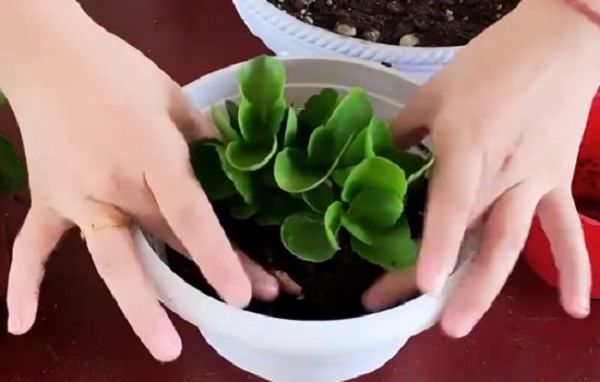
Kalanchoe (Kalanchoe blossfeldiana) is mostly propagated by cuttings, and for home pot growers, stem cuttings are the most suitable method. Although it can also be propagated by leaf cuttings, this is often unsuitable for individual pot growers because sprouting is too slow. Once the cutting seedlings have produced many small leaves, we can transplant them into pots.
This question is generally asked only by beginner growers. For growers with rich planting experience, it is usually quite clear when to fertilize kalanchoe seedlings after transplanting. There is no doubt that newly planted kalanchoe cannot be fertilized, mainly because its root system is too fragile, especially while it is still in the seedling-establishment period; fertilizing at this time brings only harm and no benefit.
If we fertilize it too early, it not only cannot absorb the nutrients, but is also prone to fertilizer burn, directly damaging its tender roots and causing the newly planted kalanchoe seedlings to die, with rather serious consequences. At this time, frequent watering is also inadvisable; even after the seedlings have settled into the pot, watering management must still be done well. Of course, after they have settled in, you should not wait until the potting soil is completely dry before watering, because kalanchoe in the seedling stage needs timely and moderate watering.
But once the seedlings have successfully settled into the pot, they will maintain rapid growth: those that should root will root quickly, those that should sprout will sprout faster, and those that should grow leaves will also grow rapidly. Although its root system is tender, it is also constantly consuming nutrients at this time, and the nutrients in the pot can only sustain its basic survival needs, not meet the needs of its long-term growth.
Therefore, after the newly planted kalanchoe seedlings have settled into the pot and resumed normal growth, we need to consider giving them some fertilizer appropriately. But the choice of fertilizer must be careful; generally we can use some nutrient solution or well-rotted organic fertilizer liquid, applying dilute fertilizer frequently, so as to meet the nutrient needs of the seedlings' rapid growth.
So, as to whether newly planted kalanchoe needs fertilizing, we must have a clear understanding in our minds, otherwise the plant may suffer fertilizer burn and die quickly because of fertilizing too early or at too high a concentration, bringing us unnecessary losses. If you are a beginner grower, it is better to fertilize later or less than to fertilize too early or too much blindly.