Does a peony need shade in summer? Here's how to care for it properly
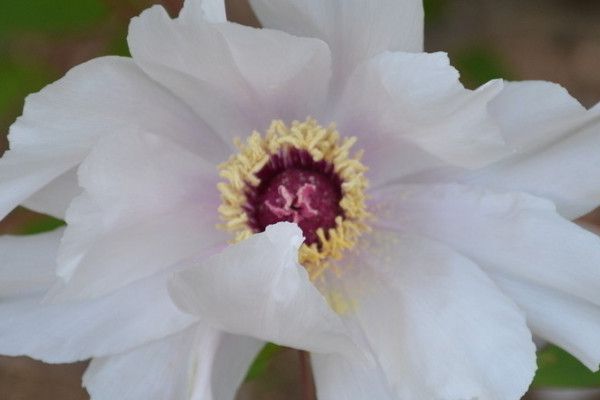
A peony needs shade in the afternoon in summer, because in the high temperatures of summer the plant goes through a midday rest, entering dormancy and closing its stomata, so it cannot make use of excess light energy. But it does not need shade all day; peonies quite like light, and only in light can they carry out photosynthesis and produce enough nutrients.
Does a peony need shade in summer
1. Afternoon shade
Summer temperatures are high, especially around twelve to two in the afternoon; although peonies like light, they cannot tolerate excessively high temperatures. On a summer afternoon the plant enters dormancy, closes its stomata, and cannot use excess light energy. You can move the peony indoors at midday in summer, then move it back out when the temperature outside drops a little, around three or four o'clock.
2. Peonies like light
A peony does not need shade all day in summer; peonies quite like light, and only in light can they carry out photosynthesis, produce enough nutrients, and promote flowering and flower quality. In a shady spot, a peony's growth will be hindered and it may even fail to bloom. Apart from the hot afternoon, keep strong light available the rest of the time.
3. Never expose it to harsh sun
Receiving light does not mean putting the peony under direct sunlight, but rather giving it scattered or diffused light in a sunny spot. Long periods of direct harsh sun will make the soil surface temperature too high, and excessive temperature will scorch the roots; it will also raise the surface temperature of the leaves, speed up water loss, cause leaf scorch, and make the flowers and leaves wither.
4. The role of shade
Proper shading can lower the temperature in summer, reduce the transpiration rate, and prevent excessive evaporation of water from inside the plant. It can also maintain the plant's normal respiration rate and photosynthetic rate, making more reasonable use of light energy. The photosynthetic rate inside a plant is limited; excessive light instead increases the burden on the plant as it consumes light energy.