Causes of Piglet Indigestion and Treatment and Prevention Methods
Causes of Piglet Indigestion, Treatment and Prevention Methods for Piglet Indigestion
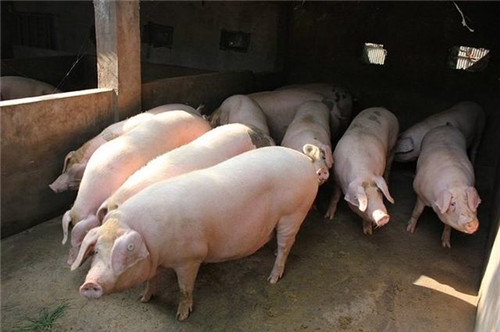
Piglet indigestion image
I. Causes of Piglet Indigestion
1. Malnutrition in pregnant sows and insufficient nutrients in the feed affect the normal growth and development of the fetus, which is a congenital factor causing piglet indigestion.
2. Poor feeding and management conditions for piglets. Factors such as the pig house being too cold, damp, sudden temperature changes, poor ventilation, delayed supplementary feeding, and sudden feed changes can all cause piglet indigestion.
3. The pen is unsanitary, piglets lick foreign objects, and are fed moldy and spoiled feed or unclean drinking water.
4. Toxic indigestion is mostly due to improper or delayedtreatmentof simple indigestion, which leads to fermentation in the intestines, and the toxic substances formed are absorbed and cause poisoning in the body.
5. Piglets secrete a relatively small amount of digestive fluid. In particular, there is no hydrochloric acid in the gastric juice of piglets within 20 days of age, and the activity of digestive enzymes is relatively low. In addition, the gastrointestinal mucosa is delicate and has a large number of blood vessels distributed in it, so when stimulated by adverse factors, it is prone to cause digestive disorders, thereby leading to the onset of the disease.
II.TreatmentMethods for Piglet Indigestion
Because the causes of piglet indigestion are multifaceted, thetreatmentof this disease should adopt comprehensive therapy including dietary therapy, drug therapy, and measures to improve sanitary conditions.
1. First improve the environment of the lactating sow, add a thicker layer of dry, clean bedding straw, and to alleviate irritation of the gastrointestinal tract, piglets can be prohibited from nursing for 8-10 hours. During this period, only physiological saline solution is given (2 grams of sodium chloride, 0.3 milliliters of 33% hydrochloric acid, 300 milliliters of cool boiled water, 3 times a day).
2. To eliminate gastrointestinal contents, for piglets with diarrhea that is not very severe, calomel can be given orally (0.01 grams per kilogram of body weight).
3. To promote digestion, artificial gastric juice can be given orally (10 grams of pepsin, 5 milliliters of dilute hydrochloric acid, 1000 milliliters of ordinary water), 10-30 milliliters.
4. To prevent intestinal infection, especially for piglets with toxic indigestion, antibiotics can be selected (streptomycin, kanamycin, oxytetracycline, furazolidone, sulfonamides) fortreatment。
5. For those with continuous diarrhea that does not stop, antidiarrheal agents can be given orally (such as alum, tannalbin, bismuth subnitrate, silver-activated carbon, etc.).
6. To prevent dehydration of the body, a 10% glucose solution or 0.9% sodium chloride solution can be injected intravenously or intraperitoneally.
III. Preventive Measures for Piglet Indigestion
1. To prevent the occurrence of this disease, first strengthen the feeding and management of pregnant sows and newborn piglets, and feed more feed rich in protein and vitamins. Newborn piglets should be given enhanced care and allowed to suckle colostrum as early as possible.
2. The pig house should be kept clean and sanitary, warm, and well ventilated.
3. Other pigs should be dewormed regularly and have their stomachs strengthened.