How to care for the trailing abutilon in winter? A detailed guide to overwintering care
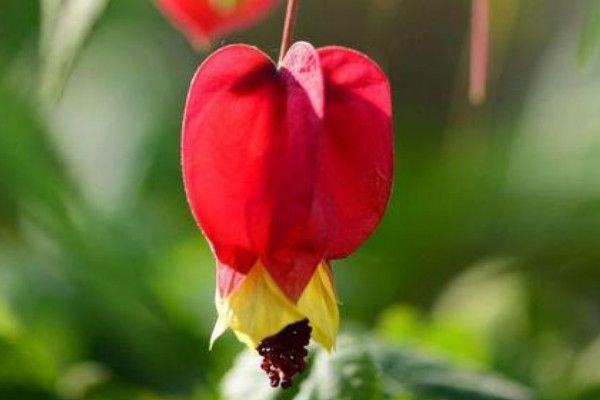
To get the trailing abutilon through the winter safely, you need to pay attention to temperature regulation, light management, watering control and fertilizer control. The temperature needs to stay stable between 20-30°C, ensure sufficient light hours every day, pay attention to water volume and water temperature when watering, fertilize cautiously before winter arrives, and simply stop fertilizing once winter begins.
How the trailing abutilon gets through winter
1. Temperature
The trailing abutilon is a plant that likes a warm environment and is not tolerant of severe cold, so when we get the trailing abutilon through winter, the most important thing is temperature stability. The temperature needs to stay stable between 20-30°C, there must not be too great a temperature fluctuation, and the temperature must not drop below 15°C at its lowest, otherwise the plant's survival will be affected.
2. Light
The trailing abutilon likes a environment with sufficient light, and it must receive enough light every day to grow lush branches and leaves and thrive. In winter the intensity of sunlight is lower, so in winter when you let the trailing abutilon bask in the sun you also need to extend this time, so that the plant can receive sufficient light and thus grow well.
3. Watering
In winter the trailing abutilon's demand for water drops somewhat, so when watering we correspondingly need to pay attention to reducing the amount of water used each time, adjust the watering frequency according to how dry the soil is, and keep the soil slightly dry as the ideal. The water temperature when watering should be about the same as the soil temperature, otherwise it easily freezes.
4. Fertilizing
During the three seasons of spring, summer and autumn, the trailing abutilon needs us to do the work of fertilizing, providing it with sufficient nutrients. Generally, fertilizer is applied once every 15 days, and after the last application before winter begins, no more fertilizing can be done. In winter the plant's demand for nutrients drops considerably, and excessive fertilizing easily causes root burn.