Anthurium is toxic, so can it still be kept indoors?
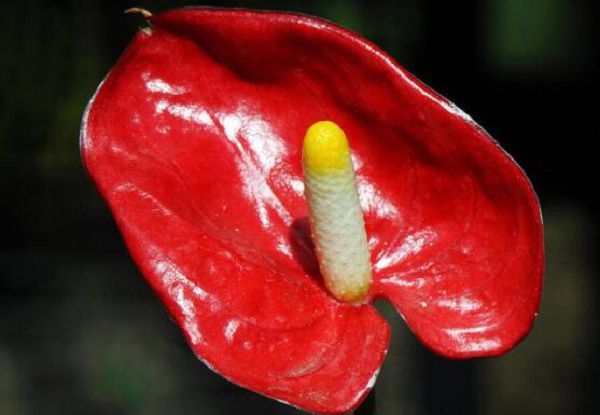
The anthurium flower is a brilliant red, and its colors are rich and varied, bright and gorgeous. The vivid red flowers are especially eye-catching, and they are often used to decorate weddings and new store openings, symbolizing people's good fortune and booming prosperity. As a well-known flowering plant, what people most want to know about it is this: now I will lift the mysterious veil of the anthurium.
I. Anthurium is a mildly toxic plant
1. Everyone likes anthurium very much, and many people grow it at home. Anthurium is a plant of the genus Anthurium in the Araceae family, and plants in the Araceae family actually have mild toxicity, and anthurium is the same. So anthurium is toxic, but its toxicity is not very strong; its sap is the toxic part, mainly from the flowers, roots and leaves.
2. The flowers of anthurium are mildly toxic. Once accidentally eaten, the mouth will feel burning and painful, then it will swell and blister, the voice will become hoarse and strained, and swallowing will be difficult.
II. Anthurium is not suitable for growing indoors
1. As a plant with extremely high ornamental value, although anthurium has gorgeous, vibrant flowers and can also purify the air, absorb harmful substances in the air and regulate indoor air, is it still advisable? It is not recommended to place the plant in the bedroom, and the first reason is that the plant absorbs oxygen at night and releases carbon dioxide.
2. If it is purely for viewing, it can be placed in the bedroom, setting off and matching the furniture in the bedroom, and it can also add a touch of green to the bedroom. As long as you are a little careful in daily life, there is no need to worry about poisoning, after all, cases of poisoning are still relatively rare.
III. Solutions for anthurium poisoning
1. When you accidentally eat anthurium and are poisoned, there is no need to panic; most symptoms will lessen and eventually disappear with time. If you want to reduce the pain, you can choose cool liquids, painkiller pills, or foods such as licorice and flaxseed. In more serious cases, you can go to the hospital for examination and treatment.
2. If the skin directly touches the sap of anthurium, there will be a burning sensation on the skin, and it will slowly become red and swollen, but there is no need to worry; it will slowly get better, and in daily care, as long as you do not touch its sap, there is no problem.
IV. Precautions for growing anthurium
1. When watering, fertilizing, pruning and otherwise caring for anthurium, stay away from the branches and leaves, and after finishing, be sure to remember to wash your hands to avoid poisoning.
2. You also need to note that if there are children and pets at home, try to place it somewhere they cannot easily reach. However, the best way is still not to grow anthurium at home, as this is safer and more reassuring for the household.
Conclusion: Anthurium is a toxic plant, but its toxicity is negligible. Unlike some plants with strong toxicity, everyone can rest assured when growing anthurium. You only need to pay attention to the above points, and there should be no problem.