How to Grow Ivy? Detailed Guide to Cultivation Methods and Precautions
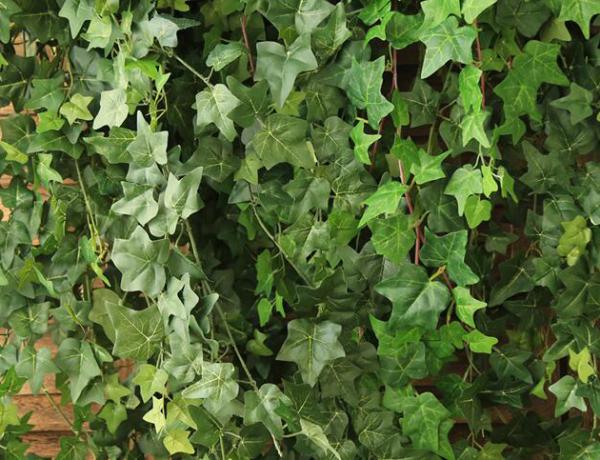
Ivy has beautiful leaf shapes and stays evergreen all year round, and is often used as vertical greening throughout the south. Ivy creates a very good decorative and beautifying effect on the environment; potted plants can be styled in many ways and displayed indoors. Besides its excellent decorative role, ivy also has strong air-purifying ability, and the whole ivy plant can be used as medicine, having the effects of dispelling wind-dampness and promoting blood circulation to reduce swelling. Today the editor will introduce it.
I. Growth Habits of Ivy
Ivy prefers warm and humid climatic conditions. It is a shade-loving climbing plant, but can also grow in full-sun environments. It is not strict about soil requirements, is not tolerant of saline-alkali soil, and is not cold-tolerant.
II. Cultivation Methods for Ivy
1. Soil selection for growing ivy: When potting ivy, you can use garden soil : leaf mold at a 1:1 ratio, or peat soil : leaf mold at a 2:1 ratio. As long as the soil is loose, airy and has a certain level of fertility, it will be fine.
2. Watering method for ivy: Ivy likes humid environments and has relatively high requirements for air humidity. Ivy is fairly tolerant of water and moisture, and is afraid of drought. In spring, during the vigorous growth period of ivy, the potting soil should be kept moist. In spring and autumn, when the climate is dry, you can frequently spray water into the surrounding air and onto the leaves to increase air humidity. After the weather turns cool in autumn, the amount of watering should be gradually reduced. In winter, the potting soil should be kept on the dry side to avoid frost damage.
3. Fertilization method for ivy: During the vigorous growth season, ivy should be given a topdressing of decomposed cake fertilizer water once every 2 weeks. For green-leaf varieties, nitrogen fertilizer should be the main type, but care should be taken not to apply too much fertilizer, as it easily causes leggy growth and affects the beauty of the plant shape. For variegated-leaf ivy varieties, in addition to nitrogen fertilizer, phosphorus and potassium fertilizer should also be appropriately applied as topdressing; otherwise the leaf patterns easily fade. In winter, when the temperature is low, ivy grows slowly, so fertilization should be stopped. Fertilization should follow the principle of light fertilizer applied frequently; concentrated fertilizer and raw fertilizer should be avoided to prevent fertilizer burn. When summer temperatures are too high, fertilization should also be stopped.
4. Temperature requirements for ivy: Ivy likes warm environments and is afraid of severe cold and intense summer heat. The suitable growth temperature is 20-25°C. When growing outdoors in summer, pay attention to shading and cooling. In winter, it should be kept above 10°C; if it is below 5°C, frost damage easily occurs.
5. Light requirements for ivy: Ivy has relatively flexible light requirements. It likes light and can also tolerate shade. When light is sufficient, the internodes become shorter, the leaf shape is uniform, and the leaf color is vivid. In summer, pay attention to shading to prevent strong direct sunlight from scorching the leaves. Ivy can also tolerate shade and can grow well in brightly lit indoor places.
III. Precautions for Growing Ivy
1. Environmental ventilation: Ventilation in the growing environment of ivy is very important. If ventilation is poor, it easily leads to mite damage. Therefore, the ventilation conditions of the growing environment must be strengthened.
2. Reasonable fertilization: When fertilizing ivy, pay attention to balanced nutrition. Excessive application of nitrogen fertilizer easily causes leggy growth. For variegated-leaf varieties, it easily causes the patterns to fade.
3. Keep warm for overwintering: In winter, pay attention to keeping warm. If the temperature is too low, ivy is prone to frost damage.
4. Maintain relatively high air humidity: Ivy requires relatively high air humidity. If the air humidity is too low, the leaf tips easily dry out.
5. Repot at the right time: After ivy has been cultivated for one to two years, it should be repotted to ensure sufficient soil nutrients and normal plant growth.