Wintersweet planting methods and precautions
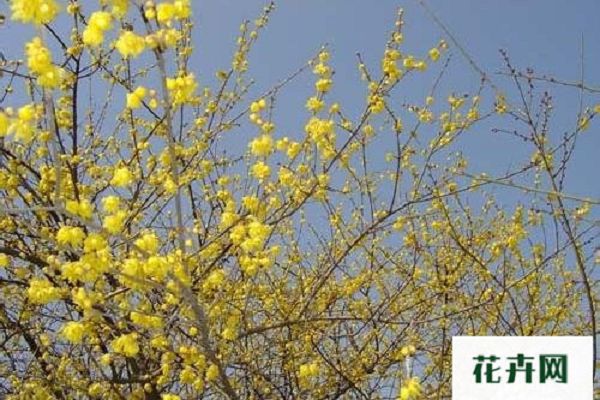
I will get straight to the point and directly introduce the planting methods and precautions for wintersweet. Everyone knows that wintersweet is commonly propagated by grafting, cuttings, layering or division. Grafting is used more often. When using these methods to plant wintersweet, we still need to analyze each point in detail so that in winter we can see a healthy wintersweet tree bloom with eye-catching, beautiful wintersweet flowers.
Precautions for planting wintersweet
① Planting out. Because wintersweet likes sun and fears wind, choose a plot that is sheltered from wind, faces the sun and has good drainage. The best time for planting out is winter or spring. When planting out, small seedlings can be bare-rooted and dipped in some mud slurry. Wintersweet more than 3 years old should be planted with a soil ball. Apply sufficient base fertilizer before planting, and water thoroughly after planting.
② Water and fertilizer management. Field-planted wintersweet is managed relatively extensively. In late September each year, apply sufficient flower-promoting fertilizer. The fertilizer can be fully decomposed municipal household waste mixed with a small amount of soybean cake powder. It is best applied in holes (about 40-60 cm from the main trunk, depending on tree size). In March to April, apply fertilizer after the flowers fade, using fertilizer such as human waste. Keep the field free of weeds, and strictly avoid waterlogging.
③ Actively carry out the prevention and control of pests and diseases.
Analysis of wintersweet planting techniques
1. For grafting, select 2-3 year old Chimonanthus praecox 'Gouying' as the rootstock, and graft by approach grafting or cut grafting; approach grafting is usually used more often. In early spring in March, cut open the bark of the rootstock and the scion, bring them close together and bind them tightly. Wrap the union with plastic strips so it heals and survives. After surviving, it can be separated from the mother plant and planted in the same winter.
2. For cuttings, softwood cuttings in summer are best. Soak the cuttings in 50 mg/kg rooting powder for 6 hours, then insert them in a shaded plastic film shed. They can take root and be transplanted in about 20-30 days.
3. For division, take seedlings with multiple fibrous roots at the base. After division, cut off the upper branches, apply dilute liquid fertilizer, and cover the top with a curtain for shade. In spring and autumn, layering can also be used for propagation. Wintersweet is relatively cold-tolerant. As long as the temperature does not drop below -15°C, it can overwinter safely in the open ground, but during the flowering period it must not be below -10°C. Wintersweet fears wind; strong wind causes the leaves to rub against each other and develop rust-colored spots. Wintersweet is drought-tolerant, but in hot summer it must not lack water, otherwise the leaves will form dry, whitish patches, affecting flower bud formation. Watering should keep the soil at about half moisture.
4. Wintersweet must be pruned promptly after the flowers fade.
5. Wintersweet likes fertilizer. Each month, dig a ring-shaped trench 15-18 cm deep and apply thin fertilizer once. Do not apply farmyard manure, to avoid excessive vegetative growth after autumn. Before leaf fall in autumn, apply additional topdressing. A ratio of phosphorus, potassium and nitrogen of 2:1:0.5 is preferable. Wintersweet is a deep-rooted tree species, so it must be planted in deep pots. Repot once every 2-3 years, remove the surface soil from the soil ball so that the root crown gradually becomes exposed above the pot soil surface, with hanging roots and exposed claws, making it especially distinctive.
6. It is not suitable for planting in areas that are too warm, because flowering requires a temperature of 0°C to -10°C lasting at least 5 days.