Why Are Clivia Leaves Turning Yellow? A Full Summary of Common Causes
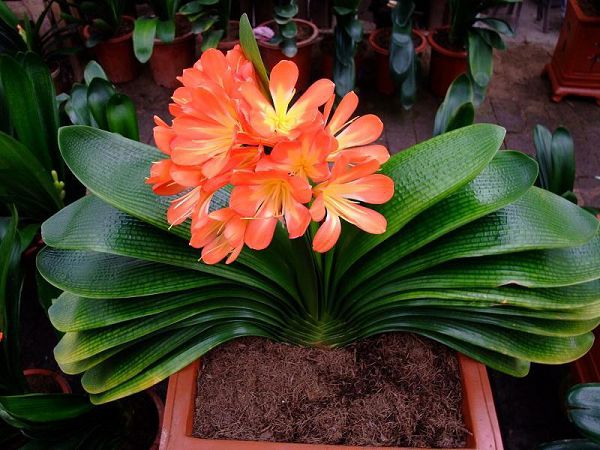
Clivia is one of the most popular ornamental plants grown indoors. It is a perennial herbaceous plant with emerald-green leaves and bright flowers, and its ornamental value is especially high. Placed indoors, it not only beautifies the environment but also purifies the air. However, many people find that when growing Clivia, the leaves turn yellow. What should be done then? What causes Clivia leaves to turn yellow?
1. The small leaves in the middle of the Clivia turn black and rot
If this happens to your potted Clivia at home, you can pry apart two of its leaves to take a look. If the gap between the leaves is black and oozing decayed sap, it is very likely that the flower scape of the Clivia has rotted. Take some toilet paper and wipe the sap off, clean away the dirty matter, and keep the environment relatively dry as usual. For Clivia, I usually suggest using the bottom-watering method of sitting the pot in water.
2. All the leaves turn yellow
If an entire leaf of the Clivia turns yellow, it is often a symptom of sunscald, meaning it has been exposed to too much sunlight. At this point we should move the Clivia to a more shaded place for care, and at the same time cut off all the yellow leaves.
3. Leaves wither, yellow and droop
If the leaves wither and yellow or droop, it is usually caused by a lack of water. You should water immediately, and water thoroughly. For Clivia, it is best to water only when the soil is dry, and when you do water, water thoroughly.
4. Leaves wrinkle and develop spots
Spots are usually caused by root burn from excessive fertilizing. At this point we should immediately repot the Clivia with fresh soil, and at the same time soak the roots in a 0.1% potassium permanganate aqueous solution for 30 minutes, then rinse with clean water and let them dry. Then cut off all the rotten roots of the Clivia, making sure to cut them cleanly to prevent secondary infection. After cutting, apply plant ash to the wounds, then replant it in new potting soil.
5. Leaves turn grayish-yellow
If the Clivia is placed in a spot with strong direct sunlight for care, it will cause the leaves to turn grayish-yellow. Clivia cannot be exposed to strong sun, so when the sunlight is too intense, proper shading must be provided.
Key points for Clivia care:
1. The roots of Clivia are fleshy roots, suited to growing in loose, fertile soil with good air permeability.
2. Clivia grows fastest in winter, so applying good winter fertilizer is very important. Before bringing the pot indoors, use bone meal, roasted sesame seeds, cooked soybeans or a compound fertilizer, and apply it once every 15 to 20 days diluted in water. Remember that when fertilizing, the fertilizer must be fully decomposed and applied thinly to prevent fertilizer burn.
3. Clivia has fleshy roots, so it should not be watered too much; too much water easily causes root rot. We can combine watering with fertilizing to keep the potting soil moist. When watering Clivia, remember: water only when the soil is dry, and when you do water, water thoroughly.
4. The most suitable growing temperature for Clivia is 15°C to 25°C. At 10°C, Clivia will stop growing, and temperature differences can also cause Clivia not to bloom, so when the weather is rather cool, it is best to move the Clivia indoors for care.