How to repot a Monstera deliciosa?
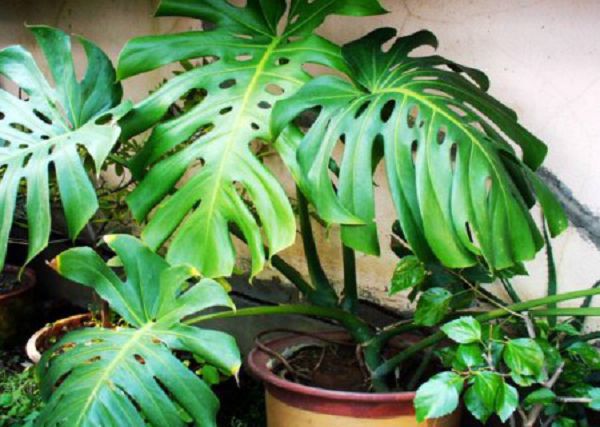
After years of growth, the soil of a potted Monstera deliciosa (split-leaf philodendron) kept at home gradually becomes compacted and hard, and the nutrients in the potting soil are also depleted, while the pot becomes filled with lush green plants. To ensure the plant has room to grow, avoid crowding in the pot, improve the ornamental value of the potted plant, and provide a sufficient nutrient supply, we need to repot it at the right time.
Repotting and changing the soil for Monstera deliciosa is the same as for most plants, and is done every spring. When repotting, it is recommended to add some decomposed organic fertilizer to the bottom of the new pot as a base fertilizer. After successfully repotting and changing the soil, care is needed, and only after the plant returns to normal growth can it be moved to normal care and management.
However, based on my many years of care and management experience, I do not recommend repotting the whole plant. Because a Monstera deliciosa that has grown for many years has already filled the pot, repotting the whole plant easily damages the root system, and even if the repotting is done well, it is hard for the plant to return to normal growth in a short time.
In my opinion, the best way is to repot only part of the plants or half of the plants in the pot, and the whole pot of plants can be repotted in two or more rounds. That is, repot one batch this year and another batch next year. This is safer and less likely to breed pathogens, and more importantly, even if repotting one batch of plants fails, the remaining plants will not be affected, so repotting this way is safer.
During the repotting process, gently remove the soil clinging to the roots of the part or half of the plants being repotted, and try as much as possible not to damage the roots, especially the main roots. Damaging a few fibrous roots is unavoidable, but as long as the main roots are not damaged, the plants will very easily survive after repotting.
Next, add new growing medium to the new pot. Since Monstera deliciosa likes fertile soil, it is recommended to put some long-acting base fertilizer in the bottom of the pot. Then place the plant in. Watering can only be done 2-3 hours after potting is finished, and you can also spray it once with a carbendazim solution to sterilize and disinfect.