Autumn Care Methods and Precautions for Field-Grown Peonies
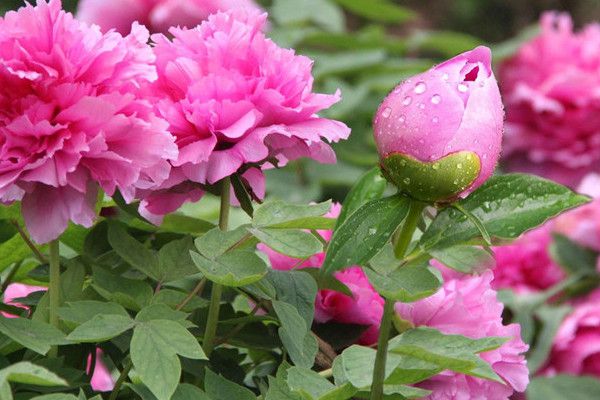
When caring for field-grown peonies in autumn, you can divide the plants, which helps prevent the plants from aging. Shaping and pruning are also needed. After the leaves wither, keep only 3-5 healthy, vigorous branches and prune away the rest. At this time, water and fertilizer should also be applied appropriately.
How to care for field-grown peonies in autumn
1. Divide the plants
When caring for field-grown peonies in autumn, you can divide the plants, because if they are not divided for a long time, the peonies cannot grow new roots, and they will gradually age and stop blooming. You can divide a healthy, vigorous peony into several appropriately sized clumps and then plant them separately in the soil.
2. Shaping and pruning
When caring for field-grown peonies in autumn, you also need to shape and prune them properly. After observing that all the leaves of the peony plant have withered, use sterilized special pruning shears to cut off its dense branches, crossing branches and thin, weak branches, leaving only 3-5 healthy, vigorous branches. This way, it will be more vigorous and beautiful next year.
3. Watering method
When caring for field-grown peonies in autumn, you also need to water them properly. At this time, the temperature gradually drops, water evaporates relatively slowly, and the peony is a plant that does not tolerate waterlogging, so watering must be done according to the dryness and moisture of the soil. It is best to keep the soil slightly dry; otherwise, too much watering can easily cause root rot.
4. Reasonable fertilization
When caring for field-grown peonies in autumn, you also need to fertilize them reasonably. From the Start of Autumn to before the cold winter, it is best to apply a dilute phosphorus-potassium fertilizer to the plant once every 20 days. About 10 days before the Start of Winter, some slow-release fertilizer needs to be buried in the soil around the plant as a base fertilizer, so that it has enough nutrients to grow next year.