How can bonsai design be done with a clear plan in mind?
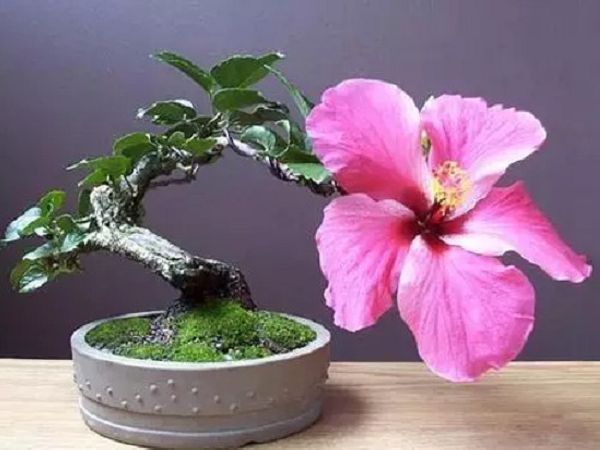
Bonsai design is something that often needs to be done in bonsai creation. You can draw it on paper, or use computer compositing. Don't know how to do either? That's fine too, as long as you have a clear plan in mind.
Bonsai creation and bonsai design are distinct from each other and must not be confused. Design is design, and creation is creation. However, design and creation are also closely interconnected and inseparable. In the mutual relationship between bonsai design and bonsai creation, design determines creation, and creation in turn acts upon design. Bonsai design occupies the primary and decisive position.
Bonsai creation must suit the design content. Whatever kind of bonsai design there is, it must have, or necessarily requires, a corresponding kind of creation technique. Therefore, it is not advisable to blindly follow a drawing, and it is also not advisable to emphasize branch techniques while neglecting the overall landscape design.
In short, when doing bonsai design, you must first consider the operability of the design drawing, and do not ignore the actual condition of the stump just to pursue a certain effect. Designing a bonsai requires at least some understanding of the growth characteristics of each kind of material, an understanding of bonsai schools and styles, and an understanding of bonsai creation techniques. Do not draw blindly.
Basic principles of bonsai design:
1. The principle of contrast and harmony. In plant landscape design, the tree form, color, lines, texture, proportions, and so on must all have a certain degree of difference and variation, showing the diversity of the plants; at the same time, a certain similarity must be maintained to form a sense of unity. In this way it is both lively and harmoniously unified. In design, the technique of contrast is often used to highlight the theme.
2. The principle of balance and stability. On a plane, an appropriate representation of the relationship of light and heavy is balance; on an elevation, an appropriate representation of the relationship of light and heavy is stability.
3. The principle of rhythm and cadence. The regular repetition of individual plants in arrangement, with changes at intervals, produces rhythm in the repeated sequence and produces cadence in the rhythmic changes.
4. The principle of proportion and scale. Proportion refers to the appropriate relationship in size among the scenery elements in a garden. This includes both the proportional relationships of length, width, and height among the parts of the scenery element itself, and the proportional relationships between scenery elements, and between the individual and the whole.