What fertilizer is best to apply to potted figs during the fruiting period
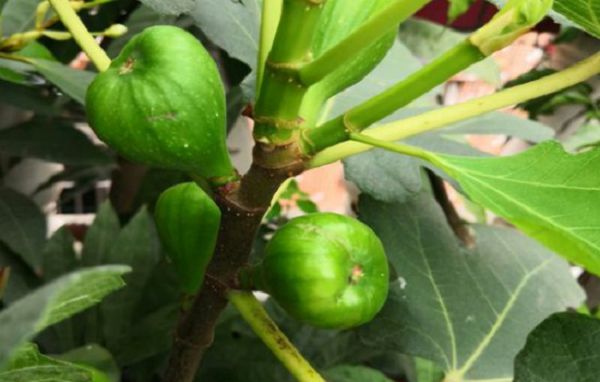
Figs have a well-developed root system and grow rapidly; when grown as houseplants in pots, they root easily from cuttings. But they are also very fond of fertilizer; after all, their roots are powerful, and their ability and efficiency in absorbing nutrients are very high. To meet the needs of rapid growth, they naturally need to consume a large amount of nutrients. But besides the high fertilizer demand during the growing period, the fruiting period also consumes a considerable amount of nutrients. It is just that the basic fertilizer requirements during the growing period and the fruiting period are largely the same.
When fertilizing figs during the fruiting period, the usual goals are to promote fruiting, strengthen the fruit, stabilize fruit set, and improve the taste and quality of the fruit. So if we fertilize during the fruiting period, we need to do it in a very targeted way, and therefore cannot use fertilizer blindly or indiscriminately; otherwise, not only will the fruit fail to develop as we expect, but it may also backfire.
But figs differ from many other fruit trees and plants in that they may already start setting fruit while growing branches and leaves; that is to say, their branch and leaf growth period and fruiting period are relatively close to being synchronized. Moreover, their branches and leaves and their fruit complement each other and need to reach a balanced state in terms of nutrition. Therefore, whether during the growing period or the fruiting period of potted figs, it is usually necessary to apply some nitrogen-phosphorus-potassium compound fertilizer as a top dressing.
It is just that during the fruiting period, potted figs need an additional supplement of some phosphorus and potassium fertilizer, such as monopotassium phosphate or Huaduoduo No. 2, preferably applied as a foliar spray to supply nutrients, with the concentration best controlled between 0.3%-0.5%. This can promote fruit enlargement and reduce the phenomenon of cracking. As for applying compound fertilizer, at this time it must be sufficiently dilute, and it is generally fine to apply it by root drenching.
However, during the fruiting period we can also use a water-soluble fertilizer such as Fujinmen, which has very obvious effects on preserving flowers and fruit and promoting fruit enlargement in figs. Moreover, its nutrient content can reach 50%, and it also contains a variety of medium and trace nutrient elements. Compared with ordinary compound fertilizer, its nutrition is often more comprehensive and its absorption rate is also higher, making it very suitable for fruit trees and plants like figs whose branches and leaves grow almost in sync with their flowers and fruit.
And besides having an obvious promoting effect on the growth of fig branches, leaves, flowers and fruit, this fertilizer is also quite good at promoting bud break in fruit trees and restoring tree vigor. If the potted figs you grow show signs of poor growth to a greater or lesser extent, then it is recommended that you apply some of this water-soluble fertilizer such as Fujinmen. And after being diluted with water, it can be used either directly as a root drench or as a foliar spray. For root drenching, it should be diluted 300-500 times, and for foliar spraying, it should be diluted 800 times.