What are the cultivation methods and precautions for orchids?
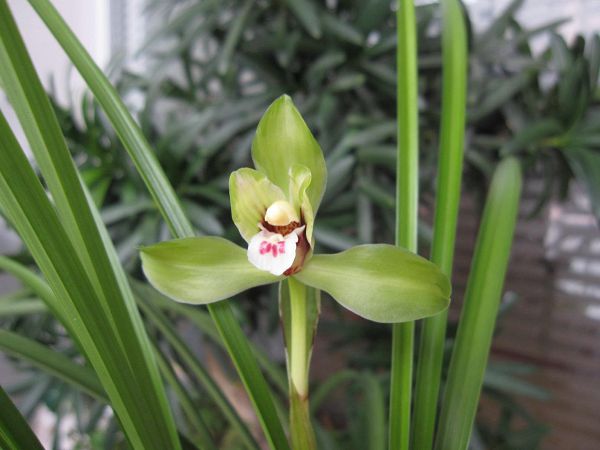
1. The environment for cultivating orchids should be well ventilated, humid, and pollution-free. The orchid pot should be a tall pot, wide at the top and narrow at the bottom, with multiple drainage holes, or with drainage holes in the pot wall.
2. During orchid cultivation, withered yellow old leaves and diseased or pest-damaged leaves should be continually pruned away to help ventilation. After the flower buds emerge, one strong flower bud should be kept per plant and the rest cut off, so as to avoid consuming too many nutrients and affecting flowering the following year. After the flowers fade, the flower stalk should be cut off.
3. In the hot season, watering should be done in the evening after the sun goes down, so as to avoid the water on the leaf surface burning the leaves after exposure to the sun, and to prevent high-temperature water from scalding the young tender parts at the lower end of new shoots.
4. In the cold season, watering should be done during the daytime, so as to avoid water in the pot at night freezing and damaging the orchid roots; especially avoid water accumulating in the crown of the orchid, which easily causes young plants to rot.
5. When orchid leaves have disease spots, keep the leaf surface dry to prevent the spread of pathogens.
6. Be careful not to water too frequently. Orchids are very tolerant of water and are relatively drought-tolerant plants, so being slightly dry has little effect. On the contrary, being wet is not acceptable; waterlogging for 24 hours can cause suffocation. In daily cultivation, the vast majority of people love orchids too much and water too frequently, causing root rot and even plant death.