How to Water and Fertilize Mock Lime (Aglaia odorata)? Detailed Four-Season Method Guide
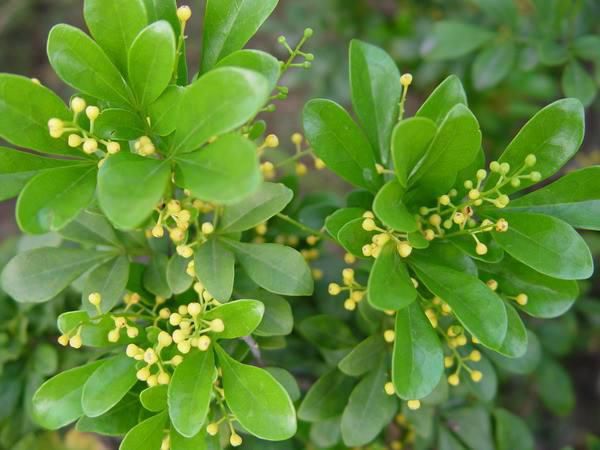
Mock lime (Aglaia odorata) loves light, warmth and fertilizer, and fears cold, waterlogging and drought; it tolerates partial shade slightly. The soil should be fertile, moist, sandy and slightly acidic; a loose, fertile, well-draining and well-aerated slightly acidic leaf mold is best, and it should be repotted once every one or two years. The growing medium can be mixed in a ratio of compost, leaf mold and river sand of 1:2:1. Mock lime grows best between 20-25°C, puts out new branches at 16°C, suffers cold damage when the temperature drops below 5°C, and needs overwintering temperatures kept above 10°C. When the mock lime's flowering season arrives, if the temperature is kept at around 30°C, the flowers it produces will have a strong fragrance. Its ornamental value is also very high, and generally, as long as it is well cared for, it can bloom all year round. Below we give a brief introduction on how to grow mock lime.
I. Four-Season Watering Methods for Mock Lime
1. Spring watering
In spring, as the weather gradually warms and temperatures rise, mock lime begins its growing season, and its water needs gradually increase, but watering should also depend on the weather and the moisture of the potting soil. Generally speaking, water less on cloudy days and do not water on rainy days, while on sunny days water once every 2-3 days.
2. Summer watering
Summer is the peak growing season for mock lime, and its water demand is very high, so moisture must be kept sufficient; generally water once a day, and if the weather is too hot, water once in the morning and once in the evening. Besides watering, it is also necessary to spray a water mist over the mock lime plant to cool it and maintain humidity.
3. Autumn watering
In autumn, as temperatures gradually cool, the growth of mock lime also gradually slows down, and the amount of watering should gradually be reduced; after late autumn, generally water once every 3-4 days, and do not water too much, which would cause water to accumulate in the potting soil and rot the roots.
4. Winter watering
In winter, when temperatures are relatively low, mock lime enters dormancy, and the watering frequency should be reduced further, generally watering once every 10-15 days, as long as the potting soil is kept from becoming excessively dry. When watering, choose noon on a sunny day to reduce the temperature difference between water and soil and lessen the harm to the plant.
II. Four-Season Fertilizing Methods for Mock Lime
1. Spring and summer fertilizing
Mock lime has a very long flowering season, lasting from May all the way to December. Spring and summer are the peak growing and peak flowering seasons for mock lime, and its nutrient needs are also very great. Spring is the growing season, so a dilute nitrogen fertilizer can be applied once every ten days to promote the growth of branches and leaves.
When mock lime enters its flowering season, it is best to apply a compound fertilizer low in nitrogen and high in phosphorus and potassium once every 15 days, and also spray a potassium dihydrogen phosphate solution once every 15 days to promote flower bud differentiation and improve the quantity and quality of mock lime's blooms.
2. Autumn and winter fertilizing
Although mock lime also blooms in autumn and winter, its growth rate gradually slows, so when fertilizing, the frequency and amount should be appropriately reduced to avoid burning the roots. In autumn, phosphorus and potassium fertilizer should be appropriately supplemented, because mock lime's continuous flowering consumes a large amount of nutrients; in early autumn, apply fertilizer solution once every half month, and by late autumn it is best to change to once a month.
After winter begins, it is best not to fertilize mock lime, because winter temperatures are too low and mock lime enters dormancy; at this time its root system's absorption rate of water and fertilizer greatly decreases, and fertilizing may cause root burning.