How to grow spider plant seedlings? Introduction to the correct care methods
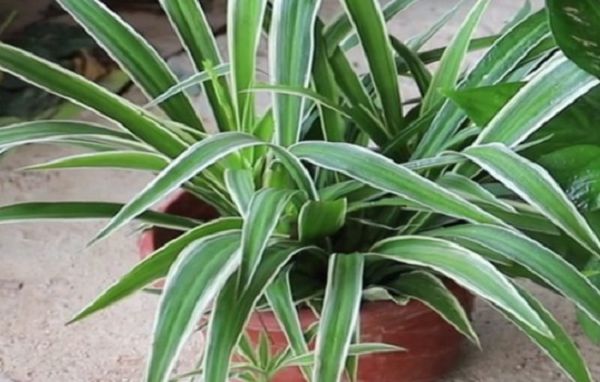
There are many benefits to keeping a spider plant as a houseplant. It is not only ornamental, but also decorates the home environment and purifies indoor air, especially with its clear effect on absorbing indoor formaldehyde. It can be said that a potted spider plant is both pleasing to the eye and practical, making it one of the ornamental flowering plants with a very high rate of use.
The spider plant has a well-developed root system and strong vitality, and is mostly propagated by layering. But the seedlings grow very quickly, so we need to promptly strengthen care and management to ensure the seedlings can grow vigorously. However, many gardening friends, when cultivating seedlings, fail to master the proper care methods, which leads to slow seedling growth and even death.
1. Placement
To cultivate spider plant seedlings well, we first need to choose the best care environment for them. Usually the placement should be in a spot with ample light, bright and well ventilated, but they must not be exposed to the scorching sun. This is especially true in summer, when the light intensity is too strong, and this season happens to be when the spider plant produces a large number of new shoots, making it very suitable for layering propagation. So during seedling cultivation, appropriate shading is needed, and it is enough to ensure the care environment has ample scattered light.
2. Moderate watering
Spider plants prefer a moist growing environment, and during the seedling growth period they consume relatively more water and have relatively high requirements for air humidity. So in addition to timely watering, you should also spray water on the leaves frequently to keep them moist and cool. As for watering, generally wait until the potting soil has dried out completely, then water thoroughly. But seedlings are rather afraid of harsh watering, so the method of soaking is generally used to supply water, avoiding waterlogging in the pot or the potting soil staying too wet for too long.
3. Sufficient nutrients
Because spider plants in the seedling growth stage grow very quickly and have a high demand for nutrients, timely topdressing to supplement nutrients is crucial for promoting plant growth. During the seedling growth period, generally apply a compound fertilizer with a high nitrogen content, or choose decomposed organic fertilizer and pour it into the pot, once every half a month, but it must be sufficiently diluted. In this way, the spider plant seedlings can continuously obtain sufficient nutrients, ensuring they always maintain vigorous growth.
4. Weeding and pest control
During routine care, if you find weeds in the pot, be sure to pull them out promptly to prevent them from competing for the nutrients that originally belong to the spider plant seedlings and to prevent weakening the seedlings' growth. At the same time, because we usually pour some organic fertilizer water into the pot, some mosquitoes, insects and other pests may appear in the pot, so it is also necessary to promptly spray pesticides to kill them and prevent them from gnawing on the seedlings' roots.