What causes white orchid trees not to bloom
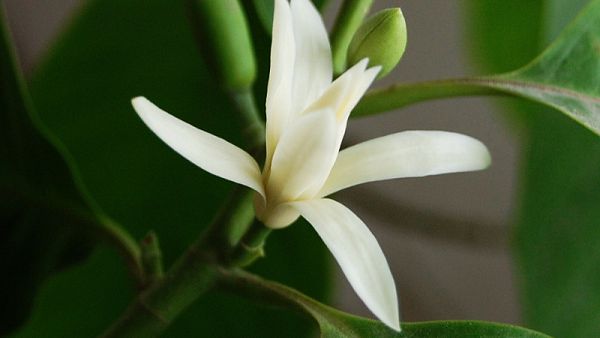
A white orchid tree may fail to bloom because of insufficient light, in which case the plant needs to be moved promptly to a spot with plenty of scattered light for care. Insufficient nutrients can also prevent a white orchid tree from blooming, so during the flower bud formation stage and before blooming, phosphorus and potassium fertilizer should be applied frequently. Unsuitable soil can also stop a white orchid tree from blooming, and in that case the soil needs to be replaced promptly with new soil.
What causes a white orchid tree not to bloom
1. Insufficient light
A white orchid tree may fail to bloom due to insufficient light. The growth of the white orchid tree requires plenty of sunlight; if there is not enough light, the flower buds of the white orchid tree cannot differentiate. When this happens, the plant needs to be moved promptly to a spot with plenty of scattered light for care, so that the plant can grow and bloom.
2. Insufficient nutrients
If nutrients are insufficient, the white orchid tree will also fail to bloom. In spring and autumn, the white orchid tree needs sufficient nutrients to grow and bloom. When this happens, fertilizer needs to be applied promptly to supplement the plant's nutrition. During the flower bud formation stage and before blooming, the fertilizer applied should mainly be phosphorus and potassium fertilizer, as this can increase the number of white orchid tree blooms.
3. Unsuitable soil
A white orchid tree may also fail to bloom because of an unsuitable soil environment. If the soil is not changed for a long time, the soil can become compacted. At this point, the plant's roots cannot breathe and cannot properly absorb nutrients, which leads to the failure to bloom. In this case, the plant's soil needs to be replaced promptly with new soil, so that the white orchid tree can grow and bloom.