The reason why cacti always die has finally been found
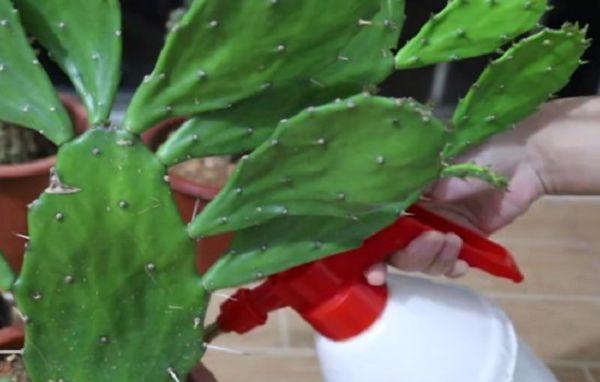
Anyone familiar with the cactus, a type of succulent plant, knows that it is famously easy to grow. After all, it has many advantages such as being heat-tolerant, drought-tolerant, tolerant of poor soil, and tolerant of strong light, so its vitality and ability to adapt to the environment are also very strong. Yet some beginner growers still cannot keep it alive no matter what. This may sound a bit unbelievable, but it is true. So what is going on when cacti always die?
Everyone knows that the cactus is a very drought-tolerant plant. After all, it shares the common trait of succulent plants, which is a very strong ability to resist drought. Normally, when water is plentiful, it absorbs the excess water and stores it in its stems and leaves, making the stems and leaves plump and look very strong and imposing. Add to that the sharp spines covering its whole body, and it makes people hesitate with fear.
Precisely because it is drought-tolerant but not tolerant of waterlogging, many growers take a rather conservative approach to watering management, afraid that it will be drowned. In fact, when growing cacti, it is truly not the fear of it drying out but the fear of it being waterlogged, otherwise root rot, or even rot of the stems and leaves, can easily occur. But at the same time, this also easily leads people into a misconception: that if they do not water it for a long time, it will not wither and die. And when cacti always die, it is often caused by improper watering.
In fact, cacti not only need frequent watering, but the watering method also differs from season to season. Especially for cacti grown in pots, we should pay even more attention to watering management. Everyone should not be too lazy. It is itself a lazy person's plant, and if you even skip watering, then growers really are too slack, much lazier than the cactus, and over time problems are bound to arise.
1. How to water cacti in spring and autumn
Although the climate in spring and autumn is pleasant, with weather that is neither too hot nor too cold, and temperature and humidity that suit both our bodies and the growth of cacti, under such conditions the cactus can basically rely on the water stored in itself to sustain growth for quite a long time, and can also absorb some water from the air to promote growth. So in these two seasons, we do not need to water it much at all.
If you water too frequently, it instead easily causes water to accumulate in the pot, leading to root rot, and the stems and leaves may also rot. Generally, it is enough to give it one thorough watering every two weeks. In spring and autumn, growers can rest assured and grow it roughly, without worrying too much about watering; watering once every ten days to half a month is sufficient. After all, cacti have little need for watering in these two seasons.
2. How to water cacti in summer
Summer is not only hot with high temperatures, but sometimes the air is also very dry. In such an environment, cacti tend to transpire a lot of water and consume a lot themselves, so watering must definitely be more frequent than in spring and autumn. Growers must not be too lazy. In this case, it is generally suitable to give potted cacti one thorough watering every week.
But if there is a long drought with no rain, we can water it about once every 5 days. And if the potted cactus is kept in an air-conditioned room, it is generally reasonable to water it about once every 10 days. Of course, in the rainy season, water must be strictly controlled, reducing the watering frequency appropriately according to the weather, and it is best not to let it get rained on. In summer, when watering potted cacti, it is mainly this work that needs to be done well.
3. How to water cacti in winter
Because winter temperatures are low, some mist usually forms in the air, and a large part of that mist is water. The cactus can absorb some water through the mist, and combined with the low temperatures, the cactus grows slowly and both transpiration and its own consumption are relatively low, so in winter the cactus must be given strict water control. If watered excessively, it not only easily reduces the cactus's ability to resist the cold, but also easily causes the cactus to rot.
So throughout the whole winter, you basically do not need to water it much at all; watering it once every two months is sufficient. Moreover, in many cases, watering it just once during the entire winter will not cause it to wither and die. Keeping the potting soil slightly on the dry side actually improves its ability to resist the cold, thereby reducing the chance of frost damage.
And even when watering the cactus normally, the watering location is also very important. Generally, pour the water onto the potting soil, and do not wet the cactus's growing point, otherwise it easily damages the growing point and affects its sprouting. In severe cases, rot may even start from the growing point, bringing us unnecessary losses.