How to revive chrysanthemum leaves that have turned yellow? Teaching you the correct method
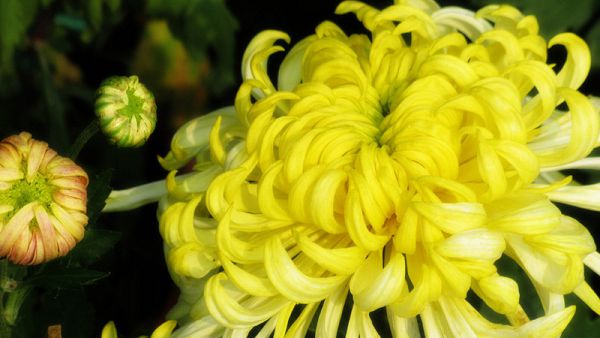
Yellowing chrysanthemum leaves may be caused by soil that is too compacted, so you need to promptly replace it with loose, fertile and well-draining soil. Improper watering can also make chrysanthemum leaves yellow, so you need to promptly adjust the amount of watering according to the specific situation. Growing chrysanthemums also requires proper fertilization, which is the way to alleviate the yellowing of its leaves.
What to do when chrysanthemum leaves turn yellow
1. Replace the potting soil
When chrysanthemum leaves turn yellow, you first need to find out the cause. It may be caused by unsuitable soil. Chrysanthemums like to grow in loose, fertile and well-draining soil. If the soil is not changed for a long time, the nutrients in the soil will gradually decrease, and it will also become too compacted, so you need to promptly replace it with new potting soil.
2. Adjust the amount of watering
Yellowing chrysanthemum leaves may also be caused by improper watering. Both overwatering and underwatering can cause yellow leaves on chrysanthemums. At this time, you need to adjust the amount of watering. Each time you water, just keep the soil slightly moist. If you have watered too much, you need to promptly place the plant in a ventilated place to speed up water evaporation.
3. Fertilize appropriately
During the growth process, chrysanthemums need sufficient nutrients, so you need to regularly top-dress them with fertilizer. If nutrients are insufficient or there is too much fertilizer, it can also cause yellow leaves. If it is caused by too much fertilizer, you need to water more so that the water carries away the nutrients in the soil. If there is too little fertilizer, you need to promptly supplement fertilizer for it.