Causes of Diarrhea in Weaned Piglets and Simple, Effective Preventive Measures
Why Are Piglets Prone to Diarrhea After Weaning? These Preventive Measures Are Simple and Effective
1. Why are piglets prone to diarrhea after weaning?
1. Stress before and after weaning
After weaning, piglets are moved from the farrowing pen to the nursery pen, and are separated from the sow, causing them to lose the sow's care and protection. They go from living dependently on the sow to living on their own, and after weaning, piglets regrouped and mixed into new litters easily fight and bite each other. Combined with temperature changes and environmental changes, this causes strong stress in piglets, leading to gastrointestinal dysfunction and then diarrhea.
2. Changes in diet
Before weaning, piglets mainly rely on sow's milk, with feed as a supplement. After weaning, they must obtain all their nutrition entirely from feed. Sow's milk is rich in fat and easily digestible casein. After weaning, piglets leave the milk behind and can no longer obtain protein from it; instead, they get it from plant protein in feed, and the feed contains crude fiber that piglets can hardly digest, thus causing diarrhea in piglets.
3. Incomplete digestive function
Weaned piglets have immature gastrointestinal function, and stress from insufficient digestive enzymes. One week after weaning, the activity of various digestive enzymes in piglets drops to 1/3 of the pre-weaning level, affecting the digestion and absorption of nutrients, thereby causing diarrhea.
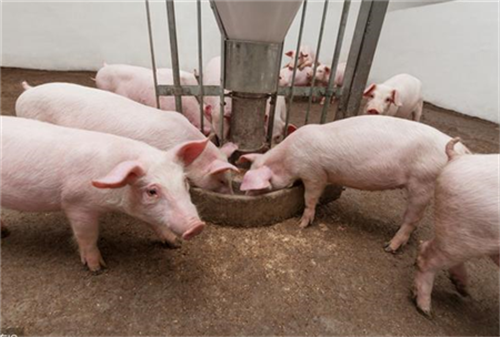
4. Iron-deficiency anemic diarrhea
During the suckling stage, piglets can obtain some iron from sow's milk. After weaning, some piglets eat little or simply refuse to eat, causing iron deficiency, which in turn blocks red blood cell synthesis and causes diarrhea.
5. Low immune function
Due to a series of stress reactions from psychology, environment, feed, and so on, after weaning, the piglet's already immature immune system is further weakened, and resistance declines. Pathogenic Escherichia coli and other harmful microorganisms easily invade, leading to diarrhea in piglets. How to effectively prevent diarrhea in weaned piglets? These practical methods are simple and effective!
1. Do a good job of keeping warm and preventing cold
Newborn piglets have poor thermoregulation. Doing a good job of keeping warm and preventing cold is key to improving piglet survival rates. The suitable temperature for piglets at birth is 32°C, 30°C-32°C at 1-3 days of age, 28°C-30°C at 4-7 days of age, and 22°C-25°C at 8-35 days of age.
Especially after entering winter, piglet warmth must be well managed. In particular, the temperature change when piglets move from the farrowing pen to the nursery pen must not be too great. Using heat lamps, underfloor heating, laying wooden boards, and spreading bedding straw can effectively achieve insulation.
2. Earlier feed attraction and supplementary feeding
Piglets are attracted to feed at 5-7 days of age and recognize feed at 14 days of age. At weaning, feed intake meets 60%-70% of physiological needs, exercising the piglets' digestive system function, promoting gastrointestinal development, preventing diarrhea, increasing weaning litter weight, and laying the foundation for complete weaning.
3. Clean drinking water at a suitable temperature
Many farmers do not pay attention to the importance of drinking water in daily feeding management. Because piglets grow rapidly and have vigorous metabolism, and because sow's milk contains as much as 7%-11% fat, and piglets are lively and active, clean drinking water must be provided starting from 3 days of age. The water temperature must not be too cold; drinking dirty water or urine can also easily cause diarrhea.
4. Timely iron supplementation
Generally, once piglets develop diarrhea, or have diarrhea for a long time, they will experience varying degrees of dehydration, and severe cases will develop anemia. Newborn piglets have 50 mg of iron reserves, and need 8-10 mg of iron per day for growth and development; every 100 grams of sow's milk contains 0.2 mg of iron, and piglets obtain about 1 mg of iron from milk each day. Therefore, piglets should start iron supplementation from 3 days after birth, thereby preventing iron-deficiency diarrhea and even death in piglets.