What are the causes and treatment methods for dry, hard stools in pigs?
Why do pigs have dry, hard stools, and what are the treatment methods?
Dry, hard stools are caused by pigs eating large amounts of coarse feed that is difficult to digest. Diseases such as swine erysipelas, swine fever, chronic gastroenteritis,parasitic diseasesand other secondary conditions can also cause dry, hard stools.
After pigs develop dry, hard stools, they will show reduced appetite or stop eating, drink little water, breathe slightly faster, be restless when lying down or getting up, have congested conjunctiva, and very weak bowel sounds. If the pig has thin skin, a cylindrical segment of intestine can generally be felt in the abdominal cavity.
In the early stage of dry, hard stools in pigs, a small amount of feces is passed, with a grayish-white thin liquid on it. In severe cases, defecation becomes impossible, and the pig will show a defecation posture with the anus protruding.
To prevent dry, hard stools in pigs, it is necessary to mix feed reasonably, feed more succulent feed, provide more drinking water, appropriately increase exercise, disinfect regularly, pay attention to environmental hygiene, and prevent the occurrence ofparasitic diseasesand infectious diseases.
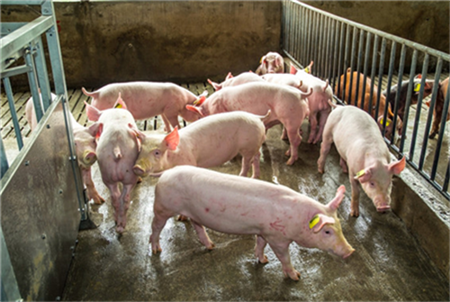
To prevent dry, hard stools in pigs, it is necessary to mix feed reasonably, feed more succulent feed, provide more drinking water, appropriately increase exercise, disinfect regularly, pay attention to environmental hygiene, and prevent the occurrence ofparasitic diseasesand infectious diseases. Make reasonable use oftreatmentdrugs to prevent drug poisoning. As long as you frequently observe the physiological changes of the pig herd, detect early and treat early,treatmentof pig constipationtreatmentwill also be easy.
Dry, hard stools in pigstreatment
1. If a pig is constipated, it should be fed with feed. In the early stage oftreatment, feed a small amount of green, succulent feed and provide plenty of clean warm water.
2. Administer intramuscular injection of antibiotic drugs. After symptoms are relieved, inject compound vitamin B injection.
3. Use a large amount of soapy water for deep enema, pinch the anus tightly, and do not let the soapy water flow out directly. Orally administer laxatives such as magnesium sulfate. If the pig has severe abdominal pain, inject 3—10 milliliters of analgin, and subcutaneously inject 2—4 milliliters of atropine hydrochloride. If this pig is weak and severely ill, cardiac stimulants and fluids can be given to help reduce dehydration and salt loss, regulate the acid-base balance of the whole body, relieve autointoxication, and maintain normal heart function. (Source: Yang De Hao, making farming easier for you)