Mold may be small, but its harm is great, and millions of pig farmers suffer because of it
Mold may be small, but it leaves millions of pig farmers in tears!
Mycotoxins usually exist in feed that is a main energy source, such as corn and wheat bran. Through a series of actions in the pig's body, the toxins increase the metabolic burden on internal organs and cause damage to the immune system. The visible signs are scabs and patches on the body surface, excessive eye discharge and tear stains, and in some cases ulcers.
This affects immunosuppression, susceptibility of the pig herd, and reduced antibody titers. Once the pig herd's immune system declines, external viruses and bacteria will take the opportunity to invade, and frequent disease outbreaks in the herd are inevitable.
After getting sick,pig farmershave two ways of handling it:
1. Frequent vaccination with various vaccines
2. Heavy use of antibiotics
When infected by a large number of harmful bacteria, although antibiotics can kill most of the pathogens, they cannot stop the damage caused by the large amount of toxins released after the bacteria die. At the same time, the accumulation of toxins in the blood will further damage the immune system, and pigs will only develop fever, bleeding tendency, changes in white blood cell counts, heart failure, liver damage, kidney failure, neurological symptoms, and so on. Frequent vaccination not only makes it very difficult to awaken the immune system, but also worsens the damage to it, not to mention that the vaccine itself is a kind of toxin.
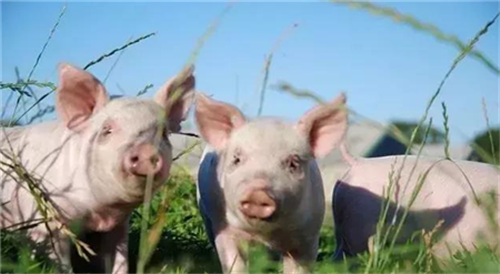
So after repeated cycles like this, the pig herd's immune system is sometimes forcibly activated and sometimes excessively suppressed, always on the verge of collapse. That is why there was the 2006 high fever disease with devastation everywhere, the full-scale outbreak of epidemic diarrhea in 2011, and the dead pigs in the Huangpu River incident.
Strictly control the “three gates”
In fact, the internal connection among the “three poisons” is not hard to see. When the “three poisons” can “help each other,” that is when they pose the greatest threat to the pig herd. Therefore, grasping the problems in each link and breaking them down one by one is the most effective way to remove the threat of the “three poisons.”
To deal with mycotoxins, the “three gates” should be strictly controlled
1. Raw material gate
Control the quality of raw materials, and do not pass off inferior goods as good ones.
2. Storage gate
Pay attention to moisture protection and sun-drying of feed, do not use expired feed, and regularly clean the feed mixer.
3. Feeding gate
Regularly check the feed delivery line, clean the sow troughs, refine management, and add an effective mold removal program to prevent the threat of mycotoxins.
Suggestions:
For health care on pig farms, try not to use broad-spectrum antibacterial drugs, but use more highly targeted ones. Use more antibiotic-free immune enhancers and traditional Chinese medicine products that regulate the intestinal tract. A good immune system and healthy intestines are what can ensure a healthy internal environment with fewer toxins.
Gradually eliminate the habit of frequent antibiotic use. Whether from the perspective of food safety or from the perspective of protecting the pig herd from the harm of antibiotic residues, the advantages outweigh the disadvantages.