Sharing of New Infection Cases of Porcine Viral Diarrhea
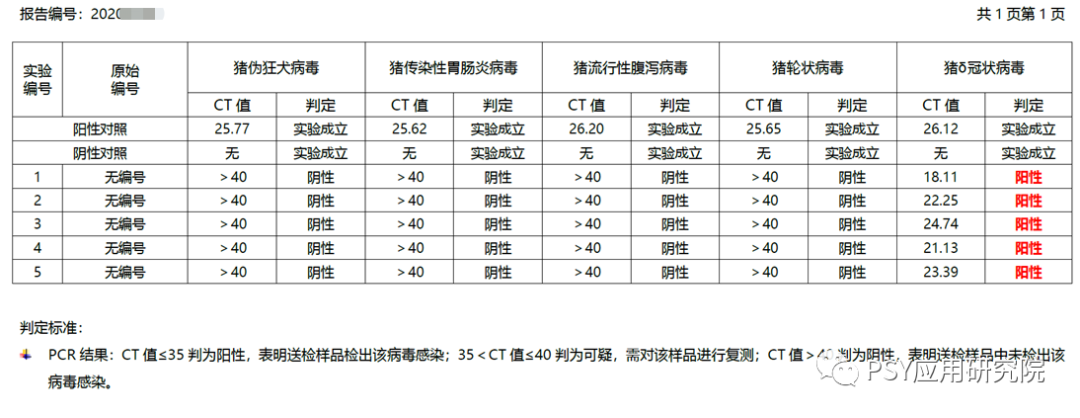
1. Porcine acute diarrhea syndrome coronavirus disease
CSADS-cov. This disease is also called bat-origin coronavirus, originates from the Chinese horseshoe bat, and has many similarities to SARS virus. It is similar to PEDV and PDCOV infection, but is more harmful and has a higher mortality rate. Nursery pigs and finishing pigs may also die from dehydration.
2. Porcine enteric coronavirus disease (PDCOV), or porcine enteric α coronavirus disease
It is caused by porcine enteric α coronavirus. The symptoms are similar to PEDV, but the age of onset is later than PEDV, and the mortality rate is also lower than PEDV, at about 30% to 50%. It mainly affects suckling piglets.
Recommended prevention and control plan:
At present, there are no effective vaccines for the prevention and control of the above two viral diarrheas. It is recommended to:
① Strengthen biosecurity, eliminate bats on the farm, and strictly implement all-in/all-out in the farrowing house, giving the farrowing room enough empty time for cleaning and disinfection;
② Batch production has a relatively good effect on controlling this disease;
③ Use the small intestine (including contents) of piglets with diarrhea symptoms within 18 hours to prepare a tissue inactivated vaccine and immunize pregnant sows twice (note: if diarrhea lasts more than 18 hours, the small intestinal villi of piglets shed and the antigen content is low);
④ Find a relatively high-level teaching and research institution to isolate and culture the virus and prepare an inactivated vaccine for prevention and control.