How to grow pothos and spider plants? A detailed guide to the growing methods
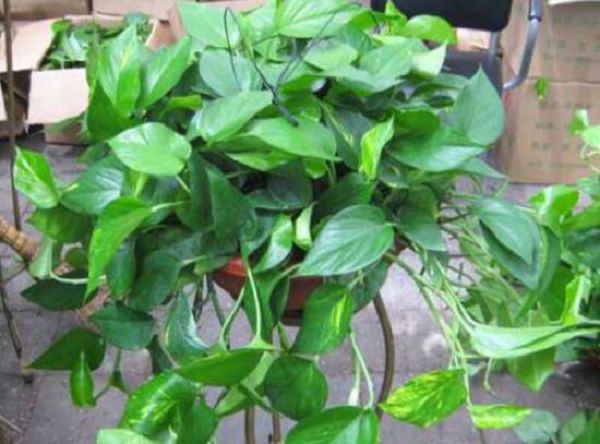
Pothos and spider plants are climbing plants with fairly high ornamental value, and they are also quite common in home cultivation and loved by most people. However, many beginners at growing plants do not know how to grow pothos and spider plants. In fact, growing pothos and spider plants well is a very simple matter; you only need to water and fertilize appropriately. Now let's take a look at the growing methods for pothos and spider plants together.
1. How to grow pothos and spider plants
Pothos and spider plants are shade-loving plants that like to grow in warm and humid environments. Therefore, to grow pothos and spider plants well, it is best to water and fertilize appropriately, then let the plants receive a certain amount of light, so that the plants can grow faster, and also ensure that the plant growing environment is well ventilated.
If there is no ventilation, it will affect the normal growth of the plants and may even cause the whole plant to wither and die. So gardening friends must pay close attention during cultivation and must not overwater or overfertilize, otherwise it will affect plant growth, and in severe cases root rot may occur.
2. Growing methods for pothos and spider plants
1. Temperature requirements
As is well known, temperature control is one of the key factors in plant growth. Temperature control for pothos and spider plants is no exception. Generally speaking, for this kind of plant that likes warmth and humidity but is not cold-tolerant, it usually grows very quickly in an environment of 20-24°C. If the temperature is too high or too low, its leaves will turn yellow and fall off.
2. Reasonable lighting
Although pothos and spider plants are indoor plants, it is still best to provide moderate lighting. Strong summer sunlight should be avoided as direct light; in spring and autumn they can be placed in a semi-lit environment, so that pothos and spider plants can obtain good environmental conditions.
3. Appropriate watering
Watering pothos and spider plants should keep the soil moist; never let the potting soil dry out, otherwise it will easily cause yellow leaves and a poor plant shape. But watering should be moderate; overwatering will cause water accumulation in the potting soil, leading to root rot, withered leaves and similar problems. In winter, when temperatures are low, watering can be controlled, and during the growing season, water appropriately more. In addition, pay attention to spraying water on the leaf surface to wash away dust on the leaves, which helps keep the leaves bright and green.
4. Fertilization management
For fertilizing the leaves of pothos, a dedicated fertilizer must be used. In autumn and winter, pothos mostly grows slowly, so fertilization should be reduced. Before winter begins, mainly apply liquid inorganic fertilizer by watering or spraying, about once every 15 days. After winter begins, fertilization should mainly be foliar spraying.
Conclusion: Through the detailed introduction above, I believe everyone now knows how to grow pothos and spider plants. In fact, growing pothos and spider plants at home is a relatively simple matter, because the indoor environment is very suitable for plant growth. Therefore, to grow pothos and spider plants well, gardening friends can follow the growing methods for pothos and spider plants above.