Kalanchoe leaves rotting and turning to mush? Or maybe it's caused by this small detail
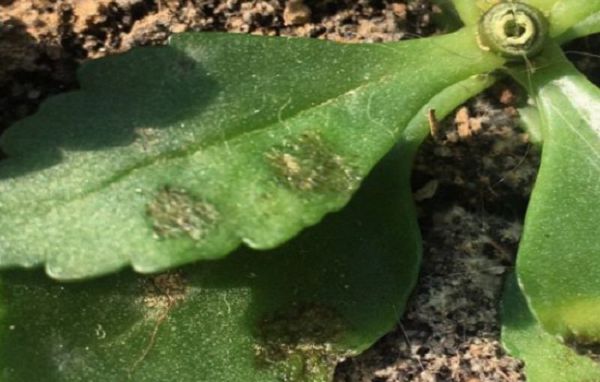
Kalanchoe (Kalanchoe blossfeldiana) is deeply loved by gardeners for its beautiful blooms, long flowering period and auspicious meaning. Its propagation and care methods are also fairly simple; usually you can just cut a stem and root it as a cutting, with a very high survival rate. But some gardeners have noticed that their recently rooted kalanchoe cuttings have developed leaves that are rotting and turning to mush. What is going on?
Perhaps many gardeners first think of overwatering, but if the potting soil we mix for it is permeable enough, then no matter how much we water, it won't be excessive, because the surplus water will drain out through the holes in the bottom of the pot. If watering isn't the cause, then it must be that the substrate's drainage is too poor, causing the potting soil to become overly moist or waterlogged.
Kalanchoe likes moisture but is not tolerant of waterlogging at the same time. Once water accumulates in the pot, its fleshy roots rot or develop black rot very easily, which in turn easily causes its leaves to rot and turn to mush as well. I have encountered this situation too, but at the time I used a large amount of coconut coir when mixing the potting soil for the kalanchoe. Because coconut coir has very strong aeration, mixing it with other substrates produces a very loose and soft potting soil, which is very good for the kalanchoe's roots to breathe and take hold.
But using too much coconut coir can also easily cause a rather tricky problem, namely that the potting soil stays overly moist for a long time. Because although coconut coir has very strong aeration, it also has fairly strong water-retention capacity. If the proportion of coconut coir we use when mixing its soil is too large, then the potting soil we end up with will inevitably have too strong a water-retention capacity; when we water too much, it will absorb a large amount of water, keeping the substrate in the pot in an overly moist state all the time.
And the roots of kalanchoe are mostly fleshy roots, with especially many fine hair roots. When the potting soil stays overly moist for a long time, its roots soak in such high-humidity soil and are very prone to rotting or developing black rot. And the leaves above ground will also rot and turn to mush because of the root rot or black rot.
It can be seen that although some substrates are very good for mixing kalanchoe potting soil, they still need to be mixed strictly according to the appropriate ratio; once used in excess, they easily cause fairly serious harm to the plant. Although too high a proportion of coconut coir is just a small detail, the consequences it triggers are fairly serious, even fatal. Therefore, if you want to grow kalanchoe well, in the course of doing a good job with routine care and management, we should also pay attention to handling these small details. Too much is as bad as too little; otherwise the result will be the opposite of what we want.