Causes and Solutions for Yellowing Leaves on Desert Rose
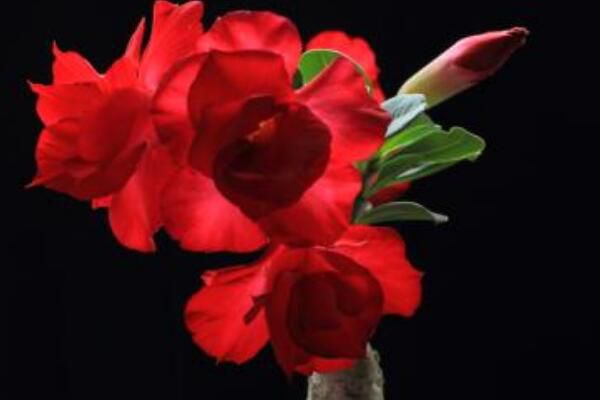
Desert rose leaves turn yellow due to improper light, watering, temperature, and fertilizing. Keep it in full sunlight every day to promote lush growth of branches and leaves. Keep the potting soil slightly moist with each watering, maintain the most suitable growing temperature steadily between 20-28 degrees, apply a phosphorus-potassium fertilizer once every half month during the growing season, and apply a phosphorus-containing fertilizer once before overwintering.
Causes of Yellowing Leaves on Desert Rose
1. Caused by Improper Light
Insufficient light or scorching sun causes desert rose leaves to turn yellow. Because it likes to grow in an environment with fairly abundant light, it needs appropriate sunlight exposure. Note that when the light is relatively strong in summer, shade it appropriately to prevent scorching.
2. Caused by Improper Watering
Desert rose likes to grow in a relatively moist environment, and long-term overwatering or underwatering can cause its leaves to turn yellow. So during the growing period you can water more, but there must be no waterlogging. In autumn and winter, as it gradually gets colder, control the watering amount well and just keep the potting soil slightly moist.
3. Improper Temperature
Too high or too low a temperature causes desert rose leaves to turn yellow. Because it likes to grow in a relatively warm environment, and its most suitable growing temperature is between 20-28 degrees, when the temperature exceeds 35 degrees in summer, take cooling measures. When the temperature is low in winter, take insulation and warmth measures to avoid freezing damage to the plant.
4. Caused by Improper Fertilizing
Long-term excessive fertilizing or severe fertilizer burn will cause desert rose leaves to turn yellow. So fertilize regularly and in appropriate amounts. During the growing period, apply a phosphorus-potassium fertilizer once every half month; apply a phosphorus-containing fertilizer once before overwintering; in winter, stop fertilizing or do not fertilize.