Does mint need fertilizing? Explanation of the correct fertilizing method
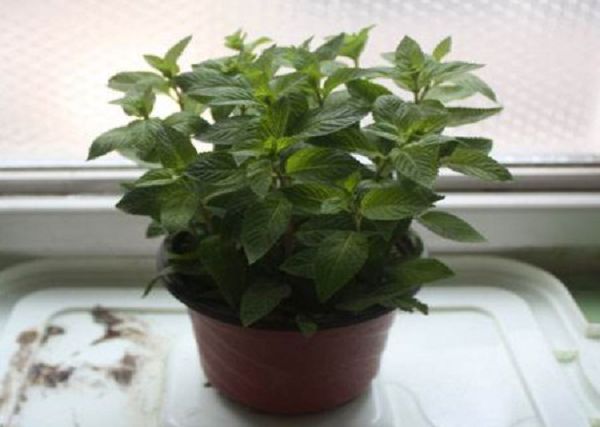
Mint seems to give off its fresh fragrance tirelessly, only stopping late at night, which is how it earned the name "night-scented herb." Mint has strong vitality and can grow in almost any kind of soil. Its unique fragrance is refreshing and uplifting, making it a particularly useful garden plant.
Gardeners can grow potted mint on their balcony or in their garden, pick a few leaves at any time, brew a pot of fragrant tea, sip the clear tea, sit leisurely in a chair reading a book, and relax freely. So, does mint need fertilizing? How do you fertilize it? Please read on, and the editor will answer each question for you one by one.
Does mint need fertilizing?
Mint loves fertilizer. During its growing period, be sure to apply dilute fertilizer frequently, generally using a 1:400 ratio of the Dewodu series liquid fertilizer once every 10-15 days or so. In winter, stop fertilizing, or you can use Dewodu bio-organic fertilizer (granules) shallowly buried along the edge of the flower pot, and there is no need to use liquid fertilizer.
How do you fertilize mint?
In fact, mint fertilizing is mainly nitrogen-based, with phosphorus and potassium as supplements, applying dilute fertilizer frequently. The growing medium is prepared with 4 parts loam soil with good drainage mixed with 1 part organic fertilizer; fertilize once every 1-2 months.
Home-grown potted mint should be given 3-5 topdressings of fertilizer each year, which can be done together with weeding. During the growing period, to promote more luxuriant stems and leaves, mainly apply nitrogen fertilizer, with phosphorus and potassium fertilizers as supplements, and just apply dilute fertilizer frequently. You will find that just one or two small plants can grow into a whole patch.
For fertilizing mint, water-soluble diluted liquid fertilizer is enough. Of course, if you have some organic compost or manure, you can also give some, but it must be fully decomposed. Remember not to give concentrated fertilizer; apply dilute fertilizer frequently, and fertilize less in winter.
During the planting process of mint, fertilizing is crucial. What should you pay attention to when fertilizing mint? Next, the editor will introduce the precautions for fertilizing mint.
Precautions for fertilizing mint:
Mint has a long growing period and a relatively high fertilizer requirement. In addition to applying enough base fertilizer, it should also be topdressed 2-3 times, and urea is recommended. The amount of topdressing varies with the soil. For soil with above-medium fertility, the method of first controlling and then promoting is generally adopted, that is, lightly applying seedling fertilizer and branching fertilizer in March-April to prevent excessive early growth, which would cause leaf drop and lodging later.
By early to mid-June, apply one heavy fertilizing, and do not fertilize after that. During the growing period of mint, foliar spraying should be carried out according to the growth of the seedlings, generally spraying phosphorus fertilizer.
Potassium fertilizer has a very obvious yield-increasing effect, increasing yield by 10%-15%, but the following issues should be noted when spraying foliar fertilizer:
① The concentration range of foliar fertilizer should be strictly controlled. If the concentration is too low, there is no yield-increasing effect, and if the concentration is too high, seedling burn will occur. Generally, 1% superphosphate mixed with 0.1% potassium chloride in equal proportions is used for spraying.
② Spraying foliar fertilizer should be done on cloudy days or in the evening on sunny days. In the late growth stage of mint, large amounts of nitrogen, phosphorus, and potassium nutrients are needed, especially nitrogen fertilizer. At this time, the roots have gradually aged, or due to other factors, the root absorption capacity has weakened. Urea can also be used for root-outside topdressing, because urea is a neutral fertilizer, does not burn mint leaves, and will not cause leaf drop that affects yield.