What to Do About Rot During the Growing Period of Bowl Lotus
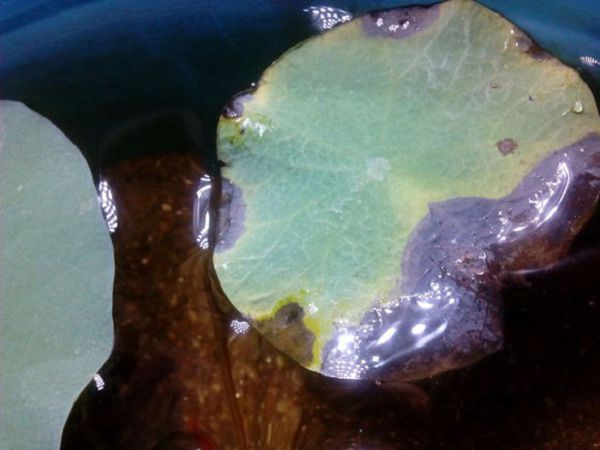
Symptoms of Bowl Lotus Rot
Bowl lotus rot is what we commonly call rot disease. The disease affects the whole plant and gradually spreads to the stem, leaf stalks, leaves and other parts. In the early stage, the symptoms are mild and very hard to spot with the naked eye. As the disease worsens, one side of the stem turns brown, the leaves become paler in color, and the leaves dry up until they die.
Conditions That Trigger Bowl Lotus Rot
Bowl lotus rot does not develop overnight; it is caused by fungi that lie dormant in the soil over winter. The fungi lurk in seed lotus roots and infected soil, and when temperatures rise again in spring, they attack the plant.
Susceptibility varies between varieties: those with deeper root systems are affected less severely, but continuous rainy weather and insufficient sunlight will make the disease worse.
Poorly draining or highly acidic soil, dirty water, or water temperatures above 38°C can all easily bring on this disease.
How to Prevent and Control Bowl Lotus Rot
Choose disease-resistant varieties suited to local conditions, and make sure the seeds you select are pure.
Turn the soil in a timely manner to increase its permeability, and spread some lime as appropriate.
Treat the seed lotus roots before planting: spray them with a carbendazim or thiophanate-methyl solution, then wrap them in plastic film and seal for 24 hours. Take them out, let them dry, and then transplant.
Fertilize in a timely and appropriate manner, applying organic fertilizer and chemical fertilizer together. At different stages of lotus root growth, control the water volume well, keeping the depth suitable and the water temperature moderate.