How to deal with rotten leaves on potted succulents
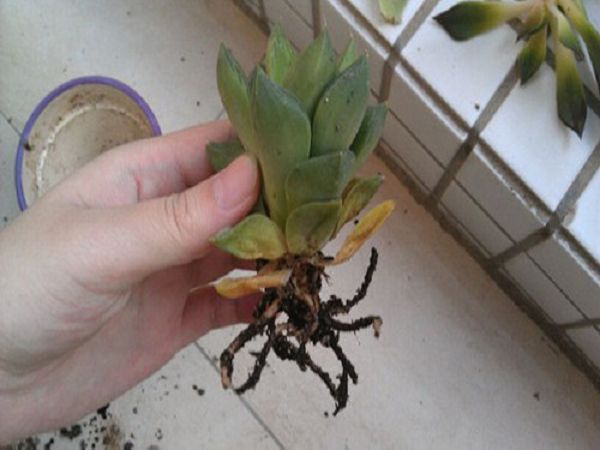
Rot is one of the most common diseases in succulents, usually a fungal infection caused by overwatering or an overly humid growing environment. Most succulents grow in desert climates and are adapted to extremely arid growing conditions, so you must never water too much, and the soil should be allowed to dry out completely between waterings.
Most succulents grow in desert climates and are adapted to extremely arid growing conditions, so you must never water too much, and the soil should be allowed to dry out completely between waterings. Another cause of rot is a soil medium that does not breathe, especially for milkweeds (Asclepiadaceae). Be sure to use a free-draining medium and make sure water does not sit pooled around the stem for more than a few minutes.
Another cause of rot is a soil medium that does not breathe, especially for milkweeds (Asclepiadaceae). Be sure to use a free-draining medium and make sure water does not sit pooled around the stem for more than a few minutes (the medium I personally use is usually one that is completely soaked through as soon as water is poured on).
Some insects, such as mealybugs, can also cause rot, especially root mealybugs. The wounds these pests create when they suck plant sap can lead to fungal infection. Rot shows itself in many forms, and by the time you notice it, it is often already too late. Always watch for discolored areas on the plant, as well as soft, mushy stems and leaves.
There are two situations when succulent leaves rot: one is too much water, and the other is lack of air circulation. Too much water usually means the roots rot first and then the rot spreads upward to the stem and leaves. If the soil does not breathe or the fertilizer is too strong, the whole plant will drop its leaves and the leaves will rot. Removing the rotten leaves should usually take care of it. If it is an infection-related rot, it is best to dig the plant out, rinse it, remove the rotten leaves, and check whether the infection has reached the roots and stem. If there is water-soaked tissue or red spots, those parts must be cut away. If you have rooting powder, it is best to apply some, then leave the plant in a cool, shaded place to dry. After a week, plant it back and it will be fine. The growing medium should be loose and breathable, and the moisture should not be too high, otherwise it will rot again. When watering, do not pour water into the center of the leaf rosette; if the water does not evaporate in time, it will rot, and the plant will die almost instantly.
Once an area on the plant loses color and becomes soft and mushy, it is rotten. If it is rotten, it must be cut off immediately. The cutting tools and hands must be disinfected before and after to avoid spreading it to other plants. If it is a fungal infection, spray the plant with a fungicide, and the wound must be completely dry before it goes into soil.
Note: When handling rotting plants, be sure to keep your tools clean and sterile, and be sure to wash your hands thoroughly before touching other plants.